Looking at vaccines for 11 year old before middle school is a useful reason to book a routine checkup. The appointment is not a test your child can fail, and it is not only about school paperwork. It is a chance to review the immunization record, ask what is due under the current schedule, and make a plan that fits your child’s health history.
Vaccine recommendations and school requirements can differ by country, state, and local area. This article explains questions to take to a clinician; it does not replace an individual medical assessment or local public-health advice. Bring your child’s record if you have it, and tell the clinician about past reactions, medicines, allergies, immune conditions, travel plans, or any record you cannot find.
Why the 11- to 12-year visit matters
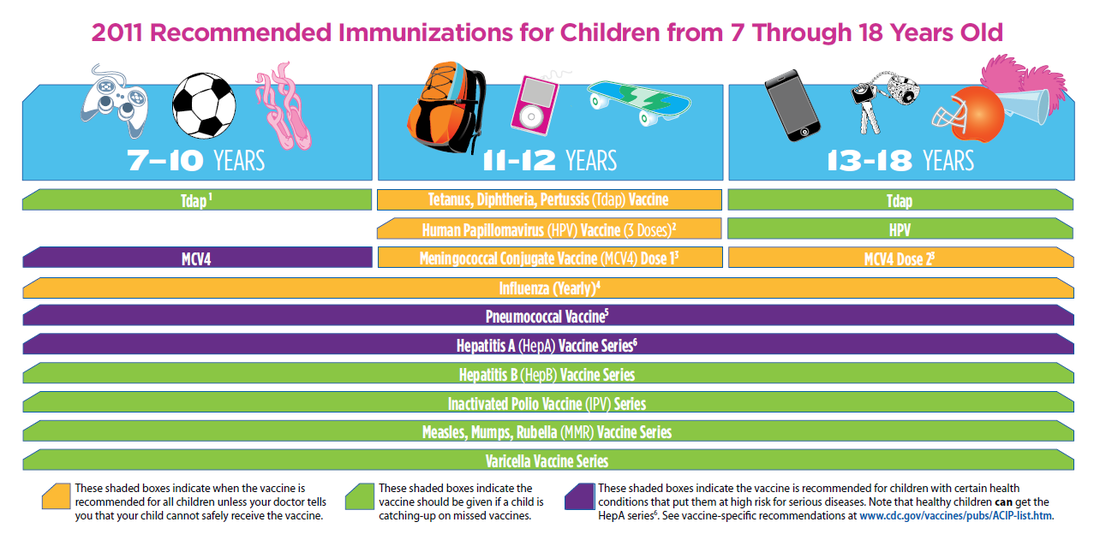
In the United States, the CDC’s child and adolescent schedule includes routine recommendations around ages 11–12 for Tdap, the first MenACWY dose, and HPV vaccination. The exact plan depends on previous doses, age when a series began, health conditions, and current guidance. A clinician can also check whether any earlier vaccines need catch-up attention.
Think of the visit as a record review and conversation, not a checklist to complete without questions. Ask the practice to explain which vaccines are routinely recommended for your child’s age, which are based on individual risk, and which may be required by your local school authority.
Questions to bring to the checkup
- Can we review the full vaccine record together? Ask for a printed or portal copy when possible.
- Which routine vaccines are due now for my child’s age and history? Ask the clinician to explain the purpose of each one in plain language.
- Does my child need Tdap, MenACWY, or HPV vaccination now? These are commonly discussed at the 11–12-year visit in the U.S.; the clinician can confirm timing for your child.
- Are any doses needed later? Ask when to set reminders and what might change the timing.
- Are there catch-up doses to consider? A missing record does not always mean a child must start over; the clinician can use official catch-up guidance.
- Do health conditions, medicines, travel, or a past reaction change the plan? Share details rather than guessing.
- What paperwork does the school actually require? Verify this with the school or local health authority rather than relying on another family’s experience.
A plain-language look at common U.S. preteen discussions
Tdap
Tdap protects against tetanus, diphtheria, and pertussis (whooping cough). CDC routine guidance includes an adolescent Tdap dose at ages 11–12. The clinician can confirm whether your child has already received it or needs a different schedule because of prior doses.
MenACWY
CDC recommends MenACWY vaccination for all 11- to 12-year-old adolescents, with a booster at age 16 in the routine schedule. The timing can differ when an initial dose is delayed or when a child has a condition that increases risk, so it is worth asking about your child’s own record rather than assuming a one-size-fits-all plan.
HPV vaccination
CDC routinely recommends HPV vaccination at ages 11–12 and allows it to begin at age 9. Starting before age 15 commonly uses a two-dose schedule, while timing can differ for older starters or children with certain immune conditions. Your clinician can explain the number of doses and the appropriate interval for your child. If your family already has an HPV plan, use the visit to check the next due date rather than starting a new guesswork schedule.
Help your child take part without adding pressure
An 11-year-old may want to know why the appointment is happening, whether shots may be offered, and what they can do if they feel nervous. Give a brief, truthful preview: “We are checking that your health record is up to date before middle school. You can ask questions, and the clinician will explain what is recommended.” Avoid promising that there will be no discomfort or that every question has a simple yes-or-no answer.
Let your child choose small things they can control, such as bringing headphones, looking away during an injection, using a slow-breathing technique, or asking to sit with a caregiver. Tell the clinic in advance if your child has fainted around needles, has intense anxiety, or has had a previous reaction so the team can plan safely.
Make the record easy to use
- Gather any paper records, portal screenshots, or previous-clinic contact details.
- Write down the questions above and any past reactions or health changes.
- At the visit, ask what is due now, what is due later, and what is based on local school rules.
- Save the updated record in one reliable place, such as the patient portal and a secure family folder.
- Set a reminder for any follow-up dose or annual checkup.
If records are missing, ask the practice whether it can check the local or state immunization information system where available. Do not delay a conversation because your paperwork is imperfect.
When to seek individual medical advice promptly
Call the child’s clinician before vaccination if your child has had a severe allergic reaction after a previous dose or a known component, or if you have a question about an immune condition or treatment. Seek urgent care for signs of a severe allergic reaction after vaccination, such as trouble breathing, swelling of the face or throat, widespread hives, marked weakness, or dizziness. For all other post-vaccination symptoms, follow the advice given by the clinic and contact them when you are unsure.
The bottom line
Preparing for vaccines for 11 year old before middle school means bringing the record, asking which recommendations apply now, and leaving with a clear follow-up plan. A calm, specific conversation with a qualified clinician is more useful than trying to decode a schedule alone.
Sources
- Centers for Disease Control and Prevention: Child Immunization Schedule Notes
- Centers for Disease Control and Prevention: Meningococcal Vaccine Recommendations
- American Academy of Pediatrics, HealthyChildren.org: Common Questions About Childhood Immunizations
- Wikimedia Commons: CDC schedule chart (public domain)