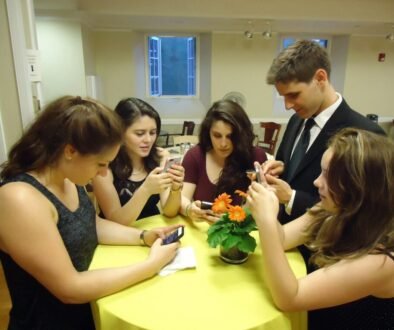
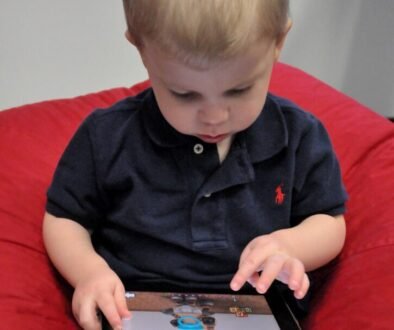
Screen-time advice can feel impossible to follow because “screens” now include everything from a video call with Grandma to autoplay cartoons at breakfast. A practical approach to screen time for toddlers is not about creating a perfect household or running a stopwatch all day. It is about building a routine in which media does not push out the things toddlers need most: sleep, movement, conversation, hands-on play and warm contact with caregivers.
The quick answer: for children under 2, keep screen use very limited and make it shared, purposeful and interactive. For a 2-year-old, the World Health Organization recommends no more than one hour of sedentary screen time a day, with less being better. Whatever the number, choose high-quality content, watch together when possible, and protect meals, bedtime and active play.
Screen time for toddlers: what reputable guidance says
The WHO looks at the whole 24-hour day, not screens in isolation. Its guidance for children under 5 balances sedentary time with movement and sleep. For 1-year-olds, sedentary screen time is not recommended. For 2-year-olds, it should be no more than one hour, and less is better. When a young child is sitting, the WHO encourages interactive non-screen activities with a caregiver, such as reading, singing, puzzles and storytelling.
The American Academy of Pediatrics’ current “5 C’s” approach adds helpful context: consider the individual child, the content, whether media becomes the main way to calm, what it is crowding out, and the communication happening around it. This is a useful reminder that 20 minutes of a slow, age-appropriate programme watched with a parent is a different experience from 20 minutes of rapid, endless videos alone.
A practical rule: count the minutes, but also count what surrounds them. Ask: What is my child watching? Are we talking about it? What would they otherwise be doing? How do they react when it ends?
Adjust the plan for your toddler’s age
12 to 18 months: connection comes first
At this age, babies and young toddlers learn best through real back-and-forth interaction. Keep ordinary video viewing to a minimum. A live video call is different because a familiar adult can respond to your child. Sit beside them, name the person, repeat words and help make the exchange interactive: “Grandpa is waving. Can you wave too?”
If a screen appears during travel, an appointment or a difficult day, that does not mean you have failed. Return to the usual routine afterward without guilt. The pattern across days matters more than one unusual afternoon.
18 to 24 months: introduce slowly, if you choose
Choose a short, high-quality programme designed for very young children and watch it together. Keep the experience simple: one episode, no autoplay and no unrelated clips afterward. Connect the screen to real life by pointing to the same animal in a book, singing the song again, or trying the movement shown on screen.
Age 2 to 3: build a predictable limit
The WHO’s one-hour maximum for 2-year-olds is a clear benchmark, not a target to fill. Some families may choose less. A predictable 20-minute period after lunch can be easier for a toddler to understand than scattered clips offered whenever they ask. Keep plenty of time for energetic play, books, pretend play, conversation and sleep.
Choose content worth your toddler’s attention
- Look for a slow, understandable pace. Your child should have time to follow what is happening.
- Choose simple stories and positive behaviour. Familiar routines, songs, language and gentle problem-solving are easier to connect to daily life.
- Avoid autoplay and open video feeds. Select the programme yourself and turn autoplay off so an algorithm does not choose the next clip.
- Preview when you can. Watch for frightening scenes, aggressive behaviour, heavy advertising or characters your child immediately imitates in unsafe ways.
- Prefer ad-free environments. Toddlers cannot reliably distinguish entertainment from marketing.
Afterward, test whether the content travels beyond the device. “The rabbit was looking for a red ball. Can we find something red?” A tiny real-world follow-up turns passive viewing into conversation and play.
Co-view and talk about what your child sees
Co-viewing means being present and interested, not testing your toddler or narrating every second. Sit nearby, react naturally and pause for your child’s responses. You might say, “She looks sad,” “What do you think is behind the door?” or “Let’s stomp like the elephant.”
If you cannot watch every minute, set up a safe programme in advance and reconnect afterward. Ask your child to show you a favourite part or repeat a song together. The aim is not constant supervision as a performance of good parenting; it is helping your toddler make meaning from what they watched.
Protect sleep, meals, movement and face-to-face play
A limit works best when it protects specific parts of the day. Start with a few firm screen-free anchors:
- Meals and snacks: put devices away so toddlers can notice hunger and fullness cues and join family conversation.
- The hour before bed: use a calm sequence such as bath, pyjamas, two books and a song instead of videos.
- Bedrooms: charge portable devices outside the sleeping space.
- Daily active play: protect time for climbing, walking, dancing, carrying, pushing and outdoor exploration.
- Short connection windows: even 10 device-free minutes on the floor can give a toddler valuable undivided attention.
Adults can follow the same anchors. A toddler is more likely to accept “phones rest during dinner” when the rule includes everyone.
Use predictable endings to reduce conflict
Toddlers have immature impulse control and limited understanding of time, so stopping a favourite activity can be genuinely hard. Make the ending visible and repeatable rather than negotiating from scratch.
- Say what will happen before you start: “One episode, then we put the tablet away and have a snack.”
- Use the programme’s natural ending instead of stopping halfway through.
- Give one brief warning: “The song is almost finished. Then the screen goes off.”
- Offer the next concrete action, not an open-ended question: “You can carry the tablet to its shelf, or I can.”
- Keep your words short during a meltdown: “You wanted more. It’s hard to stop. Screen time is finished.”
Hold the limit calmly and stay nearby. You do not need to lecture, bargain or make the feeling disappear. Your child can be upset and still be safe. Once they settle, move on without shame.
Avoid making screens the only calming tool
A screen can be a useful tool on a long flight, during a medical procedure or when a caregiver urgently needs a safe pause. The concern is not occasional help; it is when a child has few other ways to handle boredom, waiting or strong feelings.
Build a small “calm menu” while your toddler is already settled: a cuddle, water, a familiar song, looking out the window, a sensory toy, deep breaths together or carrying something to the next room. Different children need different kinds of support. Practising alternatives at easy times makes them more available at hard times.
When caregivers have different screen rules
Grandparents, co-parents and childcare providers do not need identical households, but toddlers benefit from a few shared basics. Agree privately on three points: what content is allowed, when screens are off-limits and how viewing ends. Avoid criticising another caregiver in front of the child.
Try a neutral script: “We are working on more predictable screen time because stopping has been difficult. Could we keep it to this programme after lunch and turn autoplay off?” A specific request is easier to follow than “less screen time.”
Signs your current routine may need adjustment
Review the routine if media regularly delays sleep, replaces active play or family meals, exposes your child to unsuitable content, or causes repeated intense conflict. Also take notice if your toddler seems unable to enjoy most non-screen activities or has open access to a phone or tablet throughout the day.
Change one part at a time. Remove screens from meals for a week, switch off autoplay, or shorten one viewing period. If you have concerns about sleep, language, behaviour, vision or development, speak with your child’s paediatrician or qualified health professional. Screen habits can be part of the picture, but they should not be used to diagnose a child.
Create a simple family media plan
Write down a plan short enough that every caregiver can remember it:
- When: one planned viewing window, with clear exceptions such as family video calls.
- What: two or three pre-approved, age-appropriate choices.
- Where: a shared family space, not the bedroom or meal table.
- How it ends: one episode, autoplay off, then the device returns to its charging place.
- What comes next: name a predictable transition such as snack, bath, outside play or a book.
The AAP’s free Family Media Plan can help families think through these choices. Revisit your plan as your child develops and your routines change.
Frequently asked questions
How much screen time is appropriate for a 2-year-old?
The WHO recommends no more than one hour of sedentary screen time for 2-year-olds, and less is better. Treat that as a maximum, not a daily requirement. Content quality, co-viewing and what media replaces also matter.
Do video calls count as screen time?
A video call is more interactive than passive viewing because another person responds in real time. Help your toddler participate by naming people, repeating words and encouraging waves, songs and simple games.
How can I end screen time without a tantrum?
Tell your child the limit before viewing, stop at a natural ending, give one warning and name the next activity. A tantrum may still happen. Stay calm, hold the limit and acknowledge the feeling without reopening the negotiation.
Does screen time affect toddler sleep?
Media can crowd out sleep and make bedtime routines harder, especially when it is stimulating or continues close to bed. Protect a consistent screen-free wind-down period and keep devices outside the sleeping space. Discuss persistent sleep problems with a health professional.
One change to try this week
Choose one screen-free anchor—dinner, the hour before bed or the first part of the morning—and keep it consistent for seven days. Replace the screen with something specific and easy. A small rule that works is more valuable than a perfect plan that lasts one afternoon.
Sources
- World Health Organization: Guidelines on physical activity, sedentary behaviour and sleep for children under 5 years of age
- American Academy of Pediatrics / HealthyChildren.org: 5 C’s questions for toddlers and preschoolers
- American Academy of Pediatrics / HealthyChildren.org: Why co-viewing is important
- American Academy of Pediatrics / HealthyChildren.org: Screen time and temper tantrums
- American Academy of Pediatrics: Family Media Plan
This article is for general education and is not a substitute for individual medical or developmental advice. Consult your child’s paediatrician or another qualified professional about concerns specific to your child.