When your baby pulls your hair while feeding, it can turn a close, quiet moment into one that feels surprisingly sharp and stressful. The behavior is common in this age range: babies explore with their hands, practise grasping, and often reach for the person closest to them. You do not need to endure painful pulling or turn feeding into a battle.
This plan focuses on a calm, repeatable response. It works whether you breastfeed, bottle-feed, or use a mix. It is general parenting guidance, not a diagnosis; if feeding is painful, your baby is struggling to feed, or you are worried about growth or illness, contact your child’s clinician or a lactation professional.
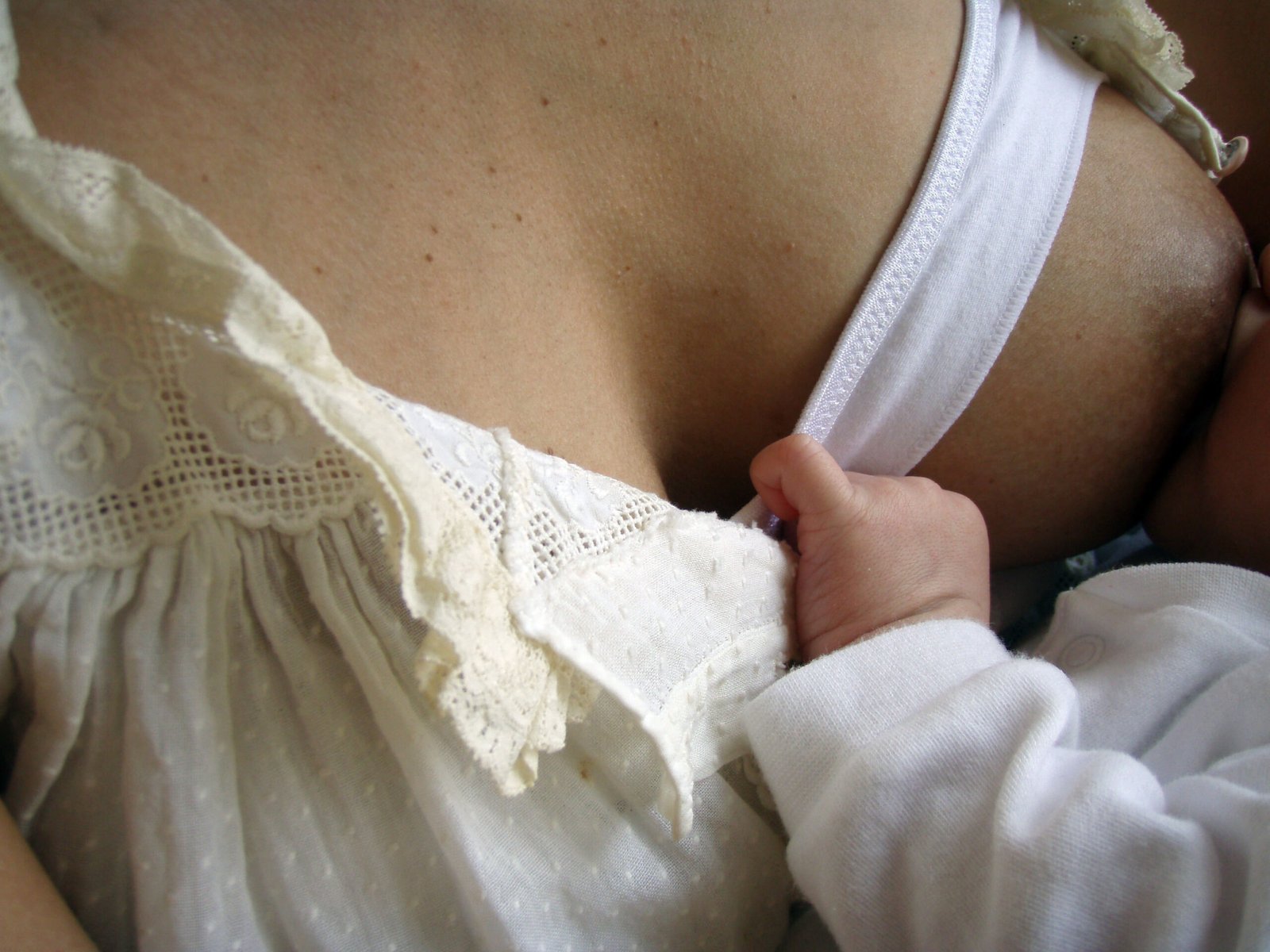
Baby pulls hair while feeding: why grabby hands show up
Hands become more purposeful through the first year. A baby may touch your face, shirt, necklace, hair, or the bottle simply because those things are within reach. Some babies also become more alert and distractible as they grow. Hair is especially tempting: it moves, has texture, and produces an immediate reaction.
Try not to read the pull as defiance. Your baby is not trying to hurt you. At the same time, your comfort matters. A consistent boundary helps keep feeding safe and pleasant for both of you.
A calm response in the moment
- Protect your hair first. Gently hold the grabbing hand or move your hair out of reach. Do not yank your head away while your baby is latched or holding a bottle.
- Use one short phrase. Say something steady, such as “Gentle hands,” or “Hair stays with me.” Your baby will not understand every word yet, but repetition builds the pattern.
- Offer a safer job for the hand. Place their hand on your shirt, give them a clean small cloth to hold, or let them grasp one of your fingers. Keep any item simple and supervised.
- Continue if feeding is comfortable. A brief reset is usually enough. If pulling starts again, repeat the same response without adding a big reaction.
Set up feeding so hair is less available
Prevention can be kinder than constantly correcting. Put long hair in a braid, bun, or clip before you sit down. Wear a top with a comfortable neckline that gives you a little distance from loose strands. If you use a bottle, settle your baby in a supported position and keep one hand available to guide their free hand.
Remove necklaces, dangling earrings, and anything that could break or become a choking risk. Feeding is also a good time to avoid placing a phone, cords, or small objects within your baby’s reach.
Give the hand a simple alternative
A substitute does not have to be a special product. Many babies are content holding a caregiver’s finger, the edge of a clean burp cloth, or a piece of their caregiver’s clothing. Choose something large enough not to be a choking hazard, keep it clean, and take it away when feeding ends.
If your baby repeatedly twists, pulls away, coughs, or seems upset during feeds, pause and look beyond the hair. A fast milk flow, a distracting room, hunger, tiredness, or discomfort can make feeding harder. The American Academy of Pediatrics notes that babies’ feeding cues and patterns are useful signs to watch; a clinician or lactation consultant can help when feeding itself is difficult.
Keep the boundary without making feeding tense
It is tempting to laugh, squeal, or sharply scold because hair pulling hurts. A big reaction can make the action more interesting, though. Aim for boring and predictable: block, say your phrase, redirect the hand, and return your attention to feeding.
If you feel yourself getting angry, it is okay to pause safely. For breastfeeding, break the latch gently with a clean finger before moving away. For bottle-feeding, pause the bottle while keeping your baby supported. Take a breath, reset your hair, then continue when you are both settled.
When to ask for extra support
Hair pulling alone is usually a developmental behavior. Ask for professional guidance if feeds are regularly painful, your baby coughs or chokes often, refuses feeds, has fewer wet diapers than expected, seems unusually sleepy or unwell, or you have concerns about weight gain. Reach out sooner if you are feeling overwhelmed by feeding. Support is part of caring for your baby, not a sign that you have handled anything wrong.
A simple plan for the next feed
- Put your hair up before sitting down.
- Keep small loose items away from the feeding space.
- Use “Gentle hands” once, calmly.
- Guide the hand to a finger or clean cloth.
- Pause and reset if pulling makes feeding uncomfortable.
The bottom line
When your baby pulls hair while feeding, a calm redirect is more useful than a big reaction. Protect your hair, give the hand a safer place to go, and use the same short boundary each time. The goal is not perfect stillness; it is a feeding routine that stays comfortable, connected, and safe.