If your 12 year old has pain below the kneecap after basketball, it is understandable to wonder about Osgood-Schlatter disease. Pain in that spot can occur in active, growing children, especially in sports with repeated running and jumping. But a web article cannot identify the cause of a child’s pain. A fall, infection, a different knee injury, or another health issue can need a different response.
Use this guide to prepare for a conversation with your child’s clinician and coach. It explains what Osgood-Schlatter is, what details are useful to notice, and when to seek prompt care. It does not replace an examination or individualized advice.
What Osgood-Schlatter means
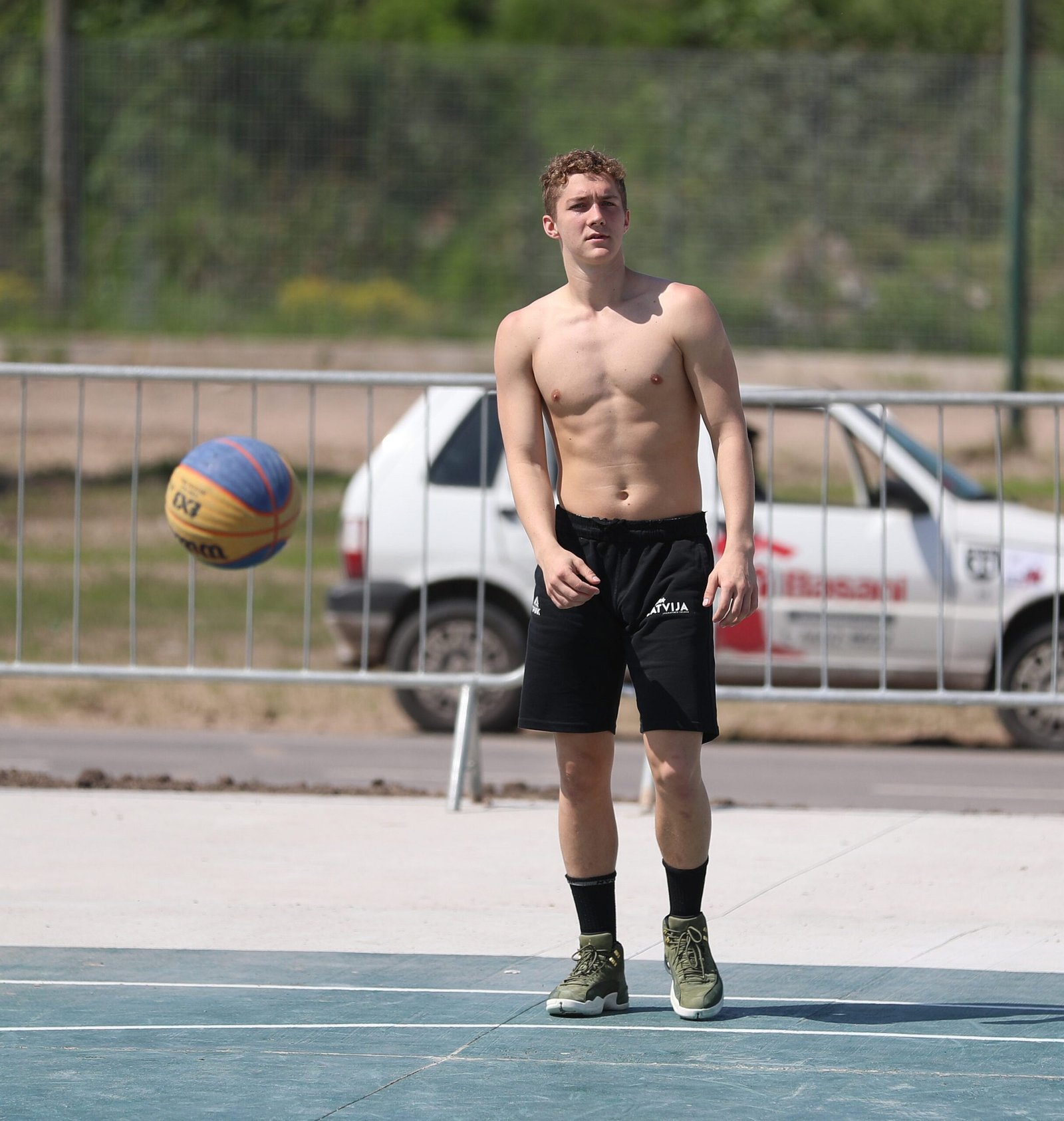
Osgood-Schlatter is an irritation at a growth area near the top of the shinbone, at the bump below the kneecap where the patellar tendon attaches. The American Academy of Pediatrics describes it as common in young athletes during a growth spurt. Repeated pulling from the thigh muscles during running and jumping can stress that area.
Basketball can involve many of those movements: sprinting, stopping, jumping and landing. That connection can make the condition plausible, but it is not a diagnosis. The same location of pain does not prove the same cause for every child.
Details to notice before calling the clinician
Write down a few specific observations rather than asking your child to push through a full practice to “test” the knee. These notes can make the appointment more useful:
- When the pain began and whether there was a twist, fall, collision or sudden pop.
- The exact location: the bump below the kneecap, the kneecap itself, the side or back of the knee, or a wider area.
- Whether it hurts during jumping, stairs, squatting, running, walking or at rest.
- Whether there is swelling, warmth, bruising, limping, locking, giving way or trouble straightening the knee.
- Recent changes in training, tournaments, growth, shoes, surfaces or another sport.
Questions to ask about sports participation
A clinician who examines your child can advise on activity changes. The AAP notes that treatment for Osgood-Schlatter aims to reduce stress at the tendon attachment and that some athletes may need to back off from sport when symptoms are severe. Ask what “back off” means for your child: fewer practices, avoiding painful drills, a temporary pause, or a gradual return.
It can help to ask the coach for a short, factual plan rather than treating participation as all-or-nothing. For example: “We are having the knee assessed. Until we have guidance, please do not ask them to work through pain.” A good plan protects health while keeping your child connected to the team when that is appropriate.
What families can do while waiting for advice
Choose comfort and information over a home diagnosis. Avoid making a child run, jump or kneel through worsening pain. Follow the clinician’s guidance about rest, ice, medicines, straps, stretching or physical therapy; these choices depend on the child and the cause of pain. Do not start medicine or use a brace simply because another athlete used one.
Also look at the bigger training picture. The AAP explains that overuse injuries develop when a child’s body does not have enough recovery time for the total duration, intensity and type of activity. Share a realistic weekly schedule with the clinician, including school PE, other teams and informal play—not just basketball practice.
When to seek urgent medical care
Seek urgent evaluation for severe pain, a visibly deformed knee, inability to bear weight, a knee that is locked or cannot be straightened, rapidly increasing swelling, fever with a hot or red joint, numbness, a pale or cold foot, or pain after a significant injury. These signs are not typical “wait and see” situations. If you are unsure, contact your child’s clinician or local urgent-care service for direction.
Support the child, not just the knee
Missing drills or sitting out can feel disappointing at age 12. Let your child know that reporting pain was the right choice. Keep the conversation free of blame: pain is useful information, not a failure of toughness. Ask how they would like to stay involved—watching a game, helping with a score sheet, or attending practice without doing painful movements—if the team and clinician agree.
A practical appointment checklist
- Bring the symptom timeline and weekly activity schedule.
- Share any fall, collision, fever or recent illness.
- Ask what movements are safe now and what signs mean to stop.
- Ask how to return to basketball gradually if a pause is recommended.
- Ask whether a physical-therapy assessment, stretching plan or equipment change is appropriate.
- Request a brief written activity note if school or a coach needs one.
The bottom line
When a 12 year old has pain below the kneecap after basketball, Osgood-Schlatter is one possibility in a growing athlete, but it is not the only explanation. Record the pattern, protect the knee from painful activity, and arrange clinical guidance. Urgent symptoms such as major swelling, inability to bear weight, fever or deformity need prompt care.