If your child is asking about 12 year old strength training before puberty, the short answer is that age alone is not the deciding factor. The American Academy of Pediatrics (AAP) says children can take part in resistance training when it is developmentally appropriate, supervised and built around good technique. The goal is not maximum weight or an adult-style bodybuilding program. It is learning controlled movement, building general strength and enjoying activity safely.
“Strength training” can mean body-weight moves, resistance bands, light free weights or machines adjusted for the child. It is different from Olympic lifting, powerlifting or trying to test a one-repetition maximum. This article is general education, not personal medical advice. A pediatric clinician can advise on a child’s individual health history.
What makes strength training safe before puberty?
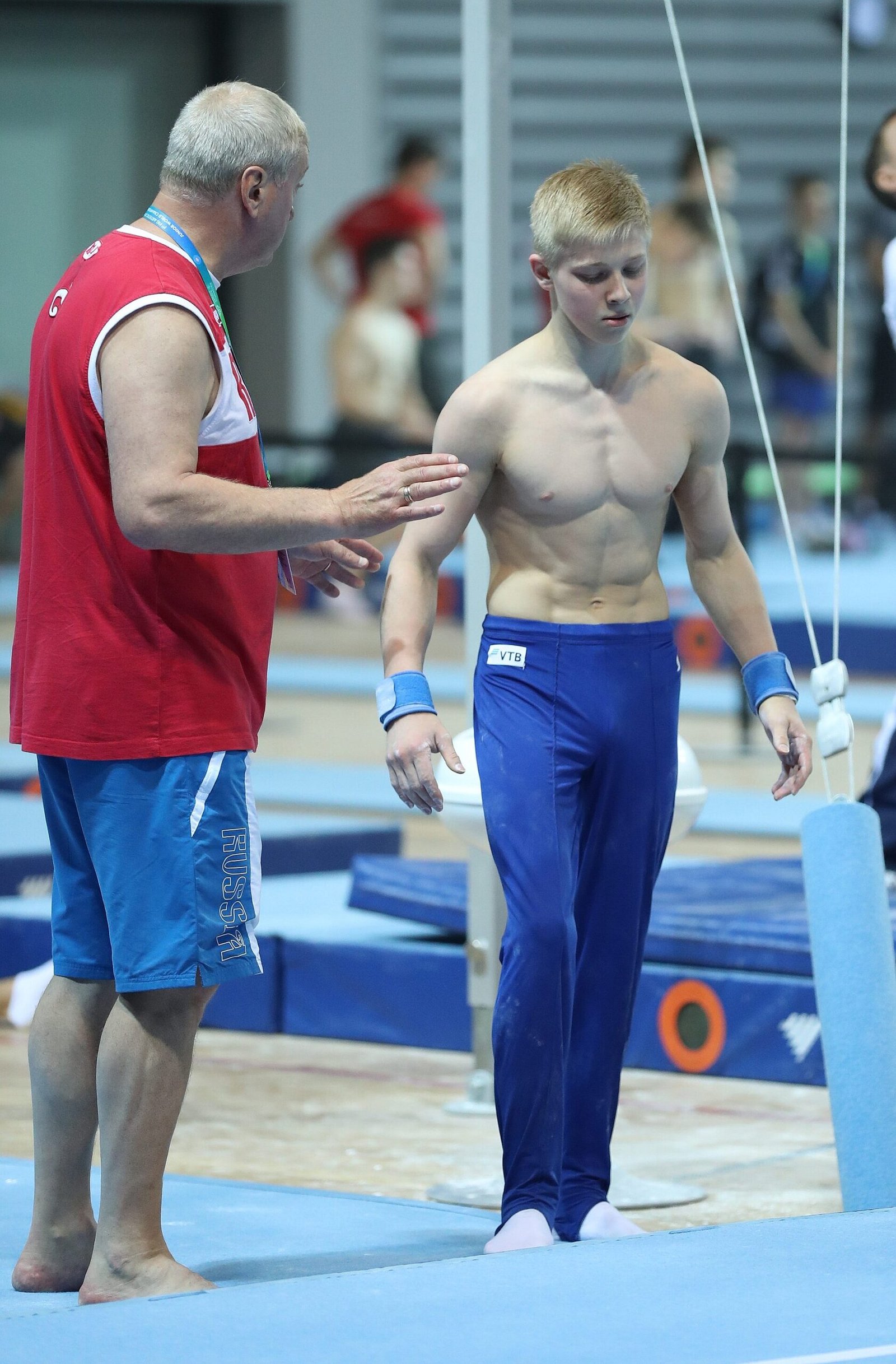
Safe programs focus on skill before load. The child should be able to listen, follow directions, keep balance and use controlled form. The AAP notes that many children have these foundations around ages 7 or 8, but readiness varies. A calm child who can follow a coach’s instructions may be ready; a child who is distracted, in pain or being pushed to compete with adults needs a different pace.
Supervision matters. A qualified instructor should watch technique, set up equipment for the child’s size and keep the group small enough for feedback. The AAP’s parent guidance describes a coach-to-student ratio of 1:10 or less as a feature of good supervision. At home, an adult should stay engaged rather than assuming a video or an app can replace instruction.
What a good first program looks like
Start with movement patterns
A beginner can practice squatting to a chair, stepping up, pushing against a wall, pulling a band, carrying a light object and simple core-control exercises. The exact exercises depend on the coach and the child, but the pattern is the same: move slowly, use a comfortable range of motion and stop when form changes.
Keep sessions short and regular
The AAP recommends training two or three times a week for about 20 to 30 minutes, with a warm-up and cool-down. That does not mean every child needs a formal gym session. A well-run youth program, physical education class or home routine using body weight and bands can be enough to begin.
Use manageable resistance
For a new lifter, the first repetitions may use no weight at all. Once a coach confirms the movement is steady, resistance can increase gradually. AAP guidance suggests two or three sets of 8 to 15 repetitions and increases of no more than 10% a week. A child should be able to speak normally and should never need to hold their breath or strain to finish a rep.
What to avoid
- No maximum-lift testing. One-repetition maximums, maximum weights and ballistic lifting are not recommended before skeletal maturity.
- No “prove it” competitions. A child should not be encouraged to lift through pain, fatigue or embarrassment.
- No adult-sized equipment without adjustment. Machines, benches and safety supports must fit the child.
- No supplement shortcut. A strength plan starts with regular meals, fluids, sleep and coaching—not powders or energy drinks.
- No unsupervised barbell work. A spotter and trained supervision are part of safety, not an optional extra.
Does lifting stunt growth?
This worry is understandable, but it needs a precise answer. The AAP says properly supervised resistance training using low weight and higher repetitions is not harmful to growth plates. Injuries are more likely when a child uses poor technique, too much weight, unsuitable equipment or no supervision. That is why a gradual program is safer than copying an online routine or competing for a personal record.
A parent checklist before the first session
- Ask who will teach and supervise the session, and what training or certification they have.
- Ask how the program checks form and adapts equipment for younger bodies.
- Make sure your child has eaten, had water and has closed-toe shoes with good traction.
- Agree that pain, dizziness, chest symptoms or unusual shortness of breath means stopping and telling an adult right away.
- Ask the coach how rest days and other sports are handled so the weekly schedule stays realistic.
- Keep the first goal simple: learn a few movements well, not lift a certain number.
When to check with a clinician first
Get individual medical advice before a new program if your child has uncontrolled high blood pressure, a seizure disorder, a complex heart condition, a past cancer treatment involving chemotherapy, an injury, persistent pain or another health concern. A pediatric cardiologist should clear a child with complex congenital heart disease before strength training. Any new pain during exercise deserves attention rather than a push to continue.
How to keep the conversation healthy
Ask what your child likes about strength training. They may want to feel more confident in a sport, keep up with friends or learn a new skill. Praise consistency, technique and listening to their body—not body size or the amount on a weight stack. If the request comes with strict food rules, anxiety about appearance, secretive supplement use or pressure to train despite injury, speak with a pediatric clinician or a registered dietitian who works with young people.
The bottom line
12 year old strength training before puberty can be safe when it is supervised, gradual and focused on form. Choose a program that teaches movement, uses manageable resistance and leaves room for rest, school and ordinary play. The safest first milestone is not a heavier weight; it is a child who knows how to move well and when to stop.

_132.jpg)