When a preschooler interrupts constantly, it can make family conversations feel impossible. The goal is not to expect a three- or four-year-old to wait silently for long stretches. It is to give them one clear, repeatable way to show, “I have something to say,” while adults notice and respond.
Interrupting is often a skill gap rather than rudeness. Preschoolers are still learning impulse control, conversational timing and how to hold a thought in mind. Hunger, fatigue, excitement, worry or competition for attention can make it harder. A short cue plus daily practice works better than repeated lectures.
Start with one cue your child can use anywhere
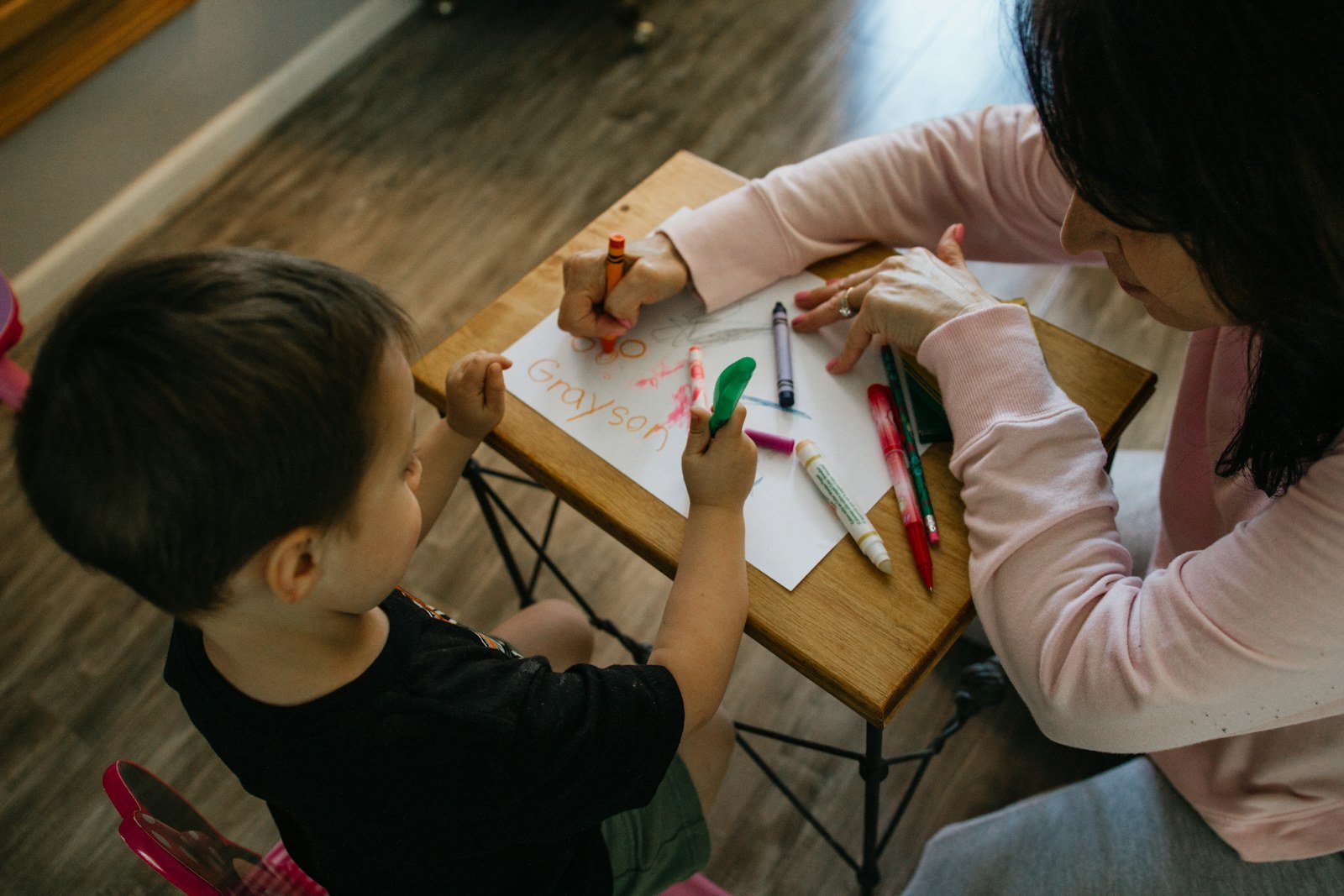
Choose a cue that is easy to see and feel. One useful option is the hand-on-hand cue: your child gently places one hand on your forearm or hand when you are speaking. You briefly put your hand over theirs to show, “I know you are waiting.” When you reach a natural pause, turn toward them and say, “Thank you for waiting. What did you want to tell me?”
Use the same words every time: “Hand on my hand means you have a turn coming.” Avoid asking a preschooler to remember several rules at once. One cue is enough to begin.
Teach it during calm moments first
Practice for two minutes
Pick a relaxed time, not the middle of a rushed phone call or a sibling argument. Explain: “Sometimes grown-ups are talking. You can put your hand on mine. I will cover it, then I will listen.” Role-play both jobs. Pretend to talk to a stuffed animal; let your child use the cue; pause; then invite their words.
Make waiting tiny and predictable
Start with a wait of only a few seconds. Praise the specific action: “You touched my hand and waited while I finished that sentence.” Do not stretch the wait just to test them. Build up slowly as the cue becomes familiar.
Use a visual turn marker for family talk
At meals or in the car, a small object can be the “talking turn” marker. The person holding it speaks; the next person holds up a finger or places a hand near the marker to show they are next. This is practice, not a rule for every conversation. Keep it playful and short.
What to say when the interruption happens
Respond calmly and briefly. Try: “I hear you. Hand on my hand, please.” If your child uses the cue, acknowledge it right away even if they still need to wait: “Yes, your turn is coming.” If they blurt anyway, do not shame them or launch into a long correction. Pause if possible, repeat the cue, and return to the original speaker before giving your child a turn.
If the matter is urgent—pain, fear, a bathroom need or a safety problem—teach a separate phrase such as “I need help now.” Adults should respond to that promptly. A turn-taking cue must never prevent a child from getting help.
Make the environment easier
- Offer connection before busy times: ten minutes of child-led play or a short check-in can reduce the need to compete for attention.
- Name the plan before a call: “I will talk for five minutes. You can draw beside me or use the hand cue if you need me.”
- Keep adult conversations realistic: young children cannot reliably wait through long, abstract discussions.
- Notice patterns: does interrupting rise before dinner, during sibling talk, or after preschool? Patterns help you adjust support.
Common traps to avoid
- “Stop interrupting” without teaching an alternative: give the cue and practice it.
- Making the child wait too long: begin with seconds, not minutes.
- Ignoring successful waiting: the quiet skill needs to be noticed.
- Calling the child rude or attention-seeking: describe the behavior and coach the next step instead.
- Expecting perfect consistency: preschool learning is uneven; reset and try again.
A five-day practice plan
- Day 1: choose the hand-on-hand cue and role-play it twice.
- Day 2: practice during one low-stakes adult conversation for a few seconds.
- Day 3: add the talking-turn marker at one meal.
- Day 4: preview the cue before a predictable busy moment.
- Day 5: ask your child what helps them remember, then keep the version that feels easiest.
When to ask for more support
Interrupting by itself is common in preschool. Consider discussing it with your child’s pediatric clinician or early-childhood educator if communication is also difficult across settings, your child is regularly distressed, language development concerns are present, or behavior is making participation at home or preschool unusually hard. They can help you decide whether a speech-language or developmental evaluation would be useful. This article is general education, not an assessment or diagnosis.
The bottom line
A preschooler who interrupts needs a usable next step, not a label. A gentle cue, a fast acknowledgment and tiny practice turns can help them learn that their ideas matter—and that conversations have room for more than one voice.