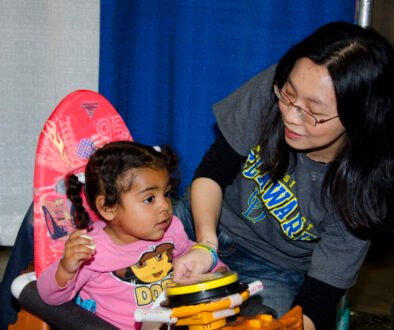
Returning to work after parental leave can feel like a family change rather than a simple calendar date. A baby or child may be starting childcare, a partner may be taking on a different share of mornings, and the returning parent may be carrying excitement, worry and fatigue at the same time. There is no perfect transition. A small, predictable plan can make the first two weeks more manageable.
This guide offers general family-routine ideas, not medical or mental-health advice. If a child’s distress is intense, persistent or affecting sleep, eating, development, safety or daily functioning, speak with their pediatric clinician or a qualified mental-health professional. If you are struggling after birth or adoption, contact a health professional promptly; urgent help is appropriate whenever anyone may be at risk.
Start with one shared plan, not a perfect schedule
Before the first workday, the adults involved should agree on a few essentials: who handles waking, meals, childcare drop-off and pickup, bedtime, overnight needs, household tasks and changes in plan. Write them down in a shared note or on paper. The point is not to account for every minute. It is to reduce last-minute decisions when everyone is tired.
For a child, use simple, concrete language. “Tomorrow you will have breakfast with Dad, Maya will take you to childcare, and I will see you after snack time.” Young children do not need adult details about workload, finances or guilt. They need to know who is caring for them, what happens next and that the adults expect to reconnect.
Why the first two weeks can feel uneven
Children often respond to separation or a new care arrangement in different ways. Some protest at the door and settle shortly afterward. Others appear fine at drop-off but become clingier at bedtime. A difficult first day does not prove that childcare or work is wrong. It is information: the routine may need more preparation, a shorter goodbye or better communication between caregivers.
The American Academy of Pediatrics notes that separation anxiety is common at several early stages and recommends brief, consistent goodbyes and dependable returns. Try not to judge the whole transition by a single tearful handoff or one smooth morning.
Your two-week family routine reset
Days 1–3: make the basics boring and predictable
- Lay out clothing, bags, bottles, medicines and keys the night before.
- Keep the goodbye short: a hug, a familiar phrase and a clear handoff.
- Choose one reliable reunion ritual, such as a snack together, ten minutes on the floor or a walk home.
- Ask the caregiver or childcare provider for one factual update, rather than seeking constant reassurance.
- Lower nonessential commitments in the evening where possible.
At this stage, resist changing everything in response to a hard morning. If a child is safe with a trusted caregiver, calm repetition usually gives them more information than a long negotiation at the door.
Days 4–7: tighten the handoff between adults
Use a ten-minute check-in after the child is asleep or at another private time. Cover only practical points: what worked, what was hard, tomorrow’s logistics and one task each person will own. Avoid using the child as the messenger between adults. If one parent is home while the other returns to work, name that care work clearly and agree on breaks, meals and a handoff time.
Also decide what information needs to travel between home and childcare: sleep, medication, food allergies, comfort objects and pickup changes. Keep messages brief and accurate. A predictable contact person prevents missed details and repeated texts during the workday.
Days 8–10: protect the reunion without overloading it
After a long day, a child may want closeness, movement, quiet play or space. Offer connection before questions. Instead of “What did you do all day?” try “I am happy to see you. Do you want a cuddle, a snack, or to show me something?” A short ritual that happens most days is more useful than trying to create a special outing every evening.
The returning parent also needs a realistic arrival routine: put down the phone, wash hands, greet the child, and take one small caregiving task. That could be starting dinner, bath, pajamas or reading. Repeated participation helps the family adjust without making one person the permanent default parent.
Days 11–14: review what to keep and what to change
At the end of two weeks, ask: Which part of the morning creates the most stress? Is the goodbye too long? Does the child need an earlier bedtime? Is pickup too close to a meeting? Does the at-home caregiver need a protected break? Change one or two things for the following week instead of rebuilding the whole routine.
Goodbyes that are kind and clear
A goodbye can acknowledge feelings without reopening the plan. Try: “You wish I could stay. It is hard to say goodbye. Sam is here with you, and I will pick you up after afternoon snack.” Keep your promise about the return as closely as possible. If work changes the plan, tell the caregiver promptly and give the child a simple truthful update.
Avoid sneaking away, repeatedly coming back after saying goodbye, or promising that nobody will feel sad. A child can be upset and still be safe and supported. If a goodbye ritual is making the separation longer, make it shorter and repeat the same version for several days.
Keep home routines simple
Returning to work is not the ideal time to add many new goals. Keep meals, bath, bedtime and weekend plans as familiar as you can. Use shortcuts that protect rest: repeat easy meals, prepare bags early, accept help with laundry or food, and say no to optional events for a short time. This is a reset, not a test of how much a family can manage.
When to get more support
Contact a child’s clinician if you are concerned about a major change in sleep, eating, behavior, development or ability to take part in daily life. Seek support for yourself if anxiety, low mood, hopelessness, panic, intrusive thoughts or exhaustion are making it hard to function. Asking for help early is a practical part of caring for a family.
A quick checklist
- Confirm caregiving, pickup, emergency and medication details.
- Prepare tomorrow’s essentials before bed.
- Use one brief goodbye and one reliable reunion ritual.
- Keep adult planning private and child-facing language simple.
- Schedule a short daily adult handoff.
- Make only one or two adjustments after the first week.
- Seek professional support when distress is severe or persistent.
The bottom line
Returning to work after parental leave asks a family to learn new rhythms. The most helpful plan is usually modest: clear caregiving roles, short goodbyes, a predictable reconnection and honest adjustment when something is not working. Small routines can give both children and adults a steadier place to land.