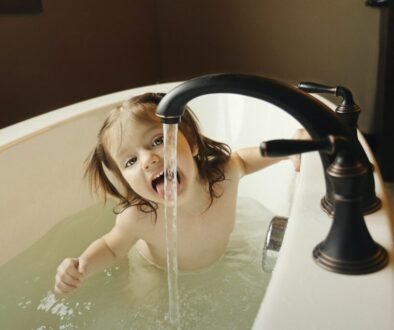
When a toddler keeps taking off diaper, the first goal is not to win a clothing battle. Toddlers often remove diapers because they are hot, wet, uncomfortable, curious, learning about their body, or enjoying the fast reaction it gets. A calm reset can reduce messes while helping you notice when a rash, constipation, illness, or a toilet-learning signal needs attention.
Start with safety and comfort. Keep your child supervised when they are undressed, especially around stairs, water, pets, small objects, or a sleeping sibling. Then use the simple steps below rather than adding more pressure or shame.
First, check what the diaper is communicating
Look for a pattern for two or three days. Does your toddler pull it off after a bowel movement, before nap, during a hot afternoon, or only when they are bored in their room? A short note can help you choose a solution that matches the moment.
- Fit and temperature: Check for tight leg openings, a too-small size, chafing, sweat, or a full diaper.
- Skin comfort: Look for redness, broken skin, blisters, swelling, or a rash that seems painful.
- Toilet interest: Some toddlers want privacy, notice wetness, or copy adults using the bathroom. Interest is useful information, not a deadline.
- Routine: Removal may happen when a toddler is tired, waiting, or testing what happens next.
Do not assume it is defiance. A brief, neutral response protects connection and makes it easier to spot an underlying problem.
Make the next diaper change more comfortable
Change a wet or soiled diaper promptly and clean the skin gently. If your child has a mild rash, ask their pediatrician or pharmacist which barrier product is appropriate for them and follow the product directions. Avoid fragranced wipes or soaps if they seem to irritate the skin. Give the area a little air time only while you are right there to supervise.
Constipation can also make diaper changes and bowel movements uncomfortable. If stools are hard, painful, or less frequent than usual, or your toddler is withholding, contact the child’s clinician for advice instead of starting remedies on your own.
A clothing reset that does not turn into a power struggle
Use one simple extra layer
For naps, bedtime, or a predictable removal time, try soft one-piece pajamas that zip in the back or a snug bodysuit under regular clothes. Choose breathable fabrics and check that the garment is not too tight. The purpose is to create a pause, not to trap or punish your child.
Keep changes predictable
Use the same short sequence: “Diaper check, clean body, fresh diaper, pants on.” Offer one small choice, such as blue or green pants, so your toddler has some control without deciding whether a diaper is needed. Save long explanations for another time; a calm script works better in the moment.
Plan for the high-risk times
If removal happens during quiet play, bring your toddler near you for a short activity before the next check. If it happens after a bowel movement, add a routine toilet or diaper check at the time it usually occurs. If it happens at bedtime, use the extra layer and check that the room is not too warm.
How to respond when you find the diaper off
Keep your voice boring and kind: “Your diaper is off. Diapers stay on until it is time to change.” Clean up, help your toddler wash hands, put on a fresh diaper, and move on. Avoid scolding, laughing, taking photos, or giving a long lecture. Big reactions can make an ordinary experiment more interesting.
If there is a mess, involve your child only in a small, age-appropriate repair step, such as putting a wipe in the bin or bringing clean pants. Do not make them scrub or treat an accident as a moral failure. The adult remains responsible for cleanup and safety.
Could this mean toilet learning is starting?
Taking off a diaper alone does not prove readiness. Readiness is often a mix of noticing wet or soiled diapers, staying dry for short periods, showing interest in the bathroom, being able to sit briefly with support, and communicating a need in some way. Your child can show one sign without being ready for a full transition.
You can offer a low-pressure option: let your toddler sit clothed on a potty, name what the bathroom is for, or invite them to join a diaper change routine. Do not force sitting, withhold drinks, or make rewards the only reason to try. If you begin toilet learning, expect uneven progress and keep diapers available when needed.
When to call the pediatrician
Get medical advice for a rash with fever, blisters, open sores, pus, marked swelling, severe pain, or a rash that is not improving with basic care. Call promptly if your child has pain with urination, blood in stool or urine, repeated vomiting, a hard swollen belly, or signs of dehydration. Seek urgent care for trouble breathing, unusual sleepiness, or a child who seems seriously unwell.
Also ask for guidance if diaper removal comes with frequent pain, major behavior changes, persistent constipation, or concerns about development or sensory comfort. This article cannot diagnose the cause.
A three-day reset plan
- Day 1: Check fit, change promptly, and write down when removal happens.
- Day 2: Add one breathable clothing layer at the usual time and use the same calm change script.
- Day 3: Keep what reduced removal, remove what made your child hotter or more upset, and decide whether a clinician call or gentle toilet-learning conversation is needed.
Bottom line
When a toddler keeps taking off diaper, look for comfort, timing, and curiosity before treating it as misbehavior. A better fit, prompt changes, a simple clothing layer, predictable checks, and a neutral response solve many cases. Medical red flags, pain, or persistent skin problems deserve individual advice from your child’s clinician.