When a teen gets breakouts exactly where a helmet, chin strap, or face padding sits, it is reasonable to look at more than their skincare routine. Heat, sweat, pressure, rubbing, and oil or bacteria left on equipment can irritate skin and contribute to a type of acne often called acne mechanica. This article is a practical skin-and-gear check, not a diagnosis.
The goal is not to make sport feel risky or to demand a perfect routine. It is to reduce avoidable friction, keep gear clean, and know when a teen should ask a clinician for individual advice.
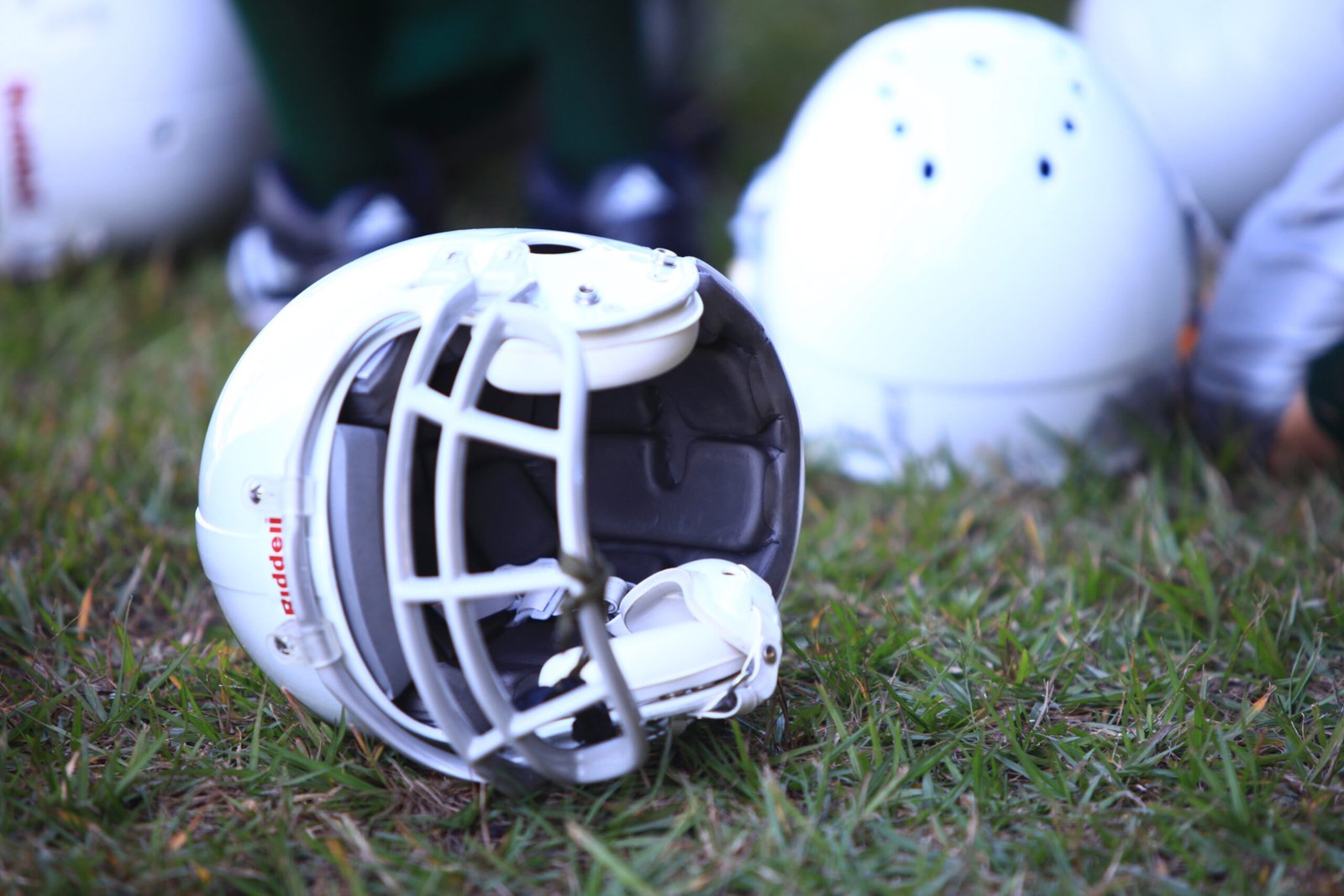
Why acne can appear under sports equipment
Acne develops when pores become blocked and inflamed. The American Academy of Dermatology notes that friction, heat, and pressure from equipment can trigger or worsen breakouts in the places where gear touches the skin. A close helmet, strap, visor, or padding can trap sweat and rub repeatedly during practice. That pattern is why the location of the spots matters: forehead, hairline, jaw, chin, or cheeks may line up with the equipment contact points.
It is still important not to assume every bump is acne. Rashes, infection, allergy, and other skin conditions can look similar. A clinician can assess a painful, spreading, crusted, or unusual rash.
Start with a simple after-practice reset
The most useful habit is usually the one a teen can actually repeat after training. Encourage them to change out of sweaty clothing and gently wash the face as soon as practical after practice or a game. Use lukewarm water and a mild cleanser; scrubbing hard, using rough towels, or picking at spots can further irritate skin.
- Use clean hands when touching the face or adjusting a helmet.
- Pat skin dry rather than rubbing it.
- Choose oil-free, non-comedogenic sunscreen and face products when possible.
- Keep hair products away from the forehead and helmet padding if they leave a greasy residue.
- Use a clean towel and avoid sharing face towels, razors, or skincare products.
For teens who use an over-the-counter acne treatment, a pharmacist, dermatologist, or pediatric clinician can help them choose a product and use it safely. More products or stronger scrubbing do not necessarily work better, especially when the skin is already irritated.
Do a helmet and strap check
Check the fit
A helmet must fit safely for the sport. Do not loosen, modify, or remove safety equipment simply to treat breakouts. Instead, ask the coach, athletic trainer, or equipment manager to check whether the helmet and chin strap fit as intended and whether a worn pad or rough edge is pressing on the same spot. Correct protective fit comes first.
Clean the contact surfaces
Follow the manufacturer’s care instructions for the helmet, pads, and removable liners. Wipe down the surfaces that touch skin after use when the instructions allow, and let equipment dry completely before the next session. Wash removable fabric liners or moisture-wicking barriers according to their label. Shared equipment deserves extra attention because it may collect sweat, oil, and microbes from more than one athlete.
Use a clean barrier only if it is approved
A clean, moisture-wicking liner or approved helmet pad can reduce direct rubbing for some athletes. Do not add bulky material that changes fit, blocks ventilation, or makes a helmet less safe. If a teen wants to use a barrier, check with the coach or equipment manager first and wash it after each use.
A seven-day sweat-and-friction skin check
- Day 1: Notice where the breakouts sit and which piece of gear touches that spot.
- Day 2: Check the helmet, straps, pads, and liner for buildup, wear, or a rough seam. Follow the maker’s cleaning directions.
- Days 3–4: Practice the same gentle post-workout wash and clean-clothing routine after every session.
- Day 5: Ask whether hair products, makeup, sunscreen, or a dirty phone screen are also touching the affected area.
- Day 6: Recheck fit with the appropriate sports adult; keep all safety features in place.
- Day 7: Take a simple note of whether irritation is improving, staying the same, or getting worse. This can help a clinician if needed.
What not to do
Avoid squeezing or popping acne, using another person’s prescription treatment, or applying harsh household products to the skin. Do not use disinfectants or cleaners on a helmet unless the manufacturer says they are safe for that material. And do not trade protection for comfort: a helmet that is altered or worn incorrectly can increase injury risk.
When to call a clinician
Ask a pediatric clinician or dermatologist for advice if breakouts are painful, deep, scarring, rapidly worsening, or not improving with a consistent gentle routine. Seek timely medical advice if there is spreading redness, warmth, swelling, pus, fever, or a rash that looks infected. A teen who is avoiding sport, feeling very distressed about their skin, or being teased deserves support too; acne is common, but the social impact can be real.
Bring the helmet or clear photos of the affected area and the contact points if the clinician asks. That can make it easier to tell whether equipment friction may be part of the pattern.
How parents can help without policing skin
Keep the conversation practical: “Let’s make the gear and shower routine easier,” rather than focusing on appearance. Help establish a place to air-dry equipment, keep a clean towel and cleanser in the sports bag, and replace worn removable parts through the proper equipment process. Let your teen have a say in what reminder or routine feels realistic.
Acne under a sports helmet is often a manageable sweat-and-friction problem, but it is not a test of hygiene or effort. A gentle routine, clean gear, safe fit, and early clinical help when needed are the sensible next steps.