Bedtime anxiety in children often becomes loudest after the house grows quiet. A child who seemed fine at dinner may suddenly worry about school, friendships, illness, a strange sound, or whether you will still be nearby. The worry is real, but bedtime is rarely the best time to solve every problem in full.
A short, predictable wind-down can help. The aim is not to guarantee sleep in 15 minutes or make every anxious thought disappear. It is to give your child a repeatable path from connection to rest while keeping bigger conversations and professional support available when they are needed.
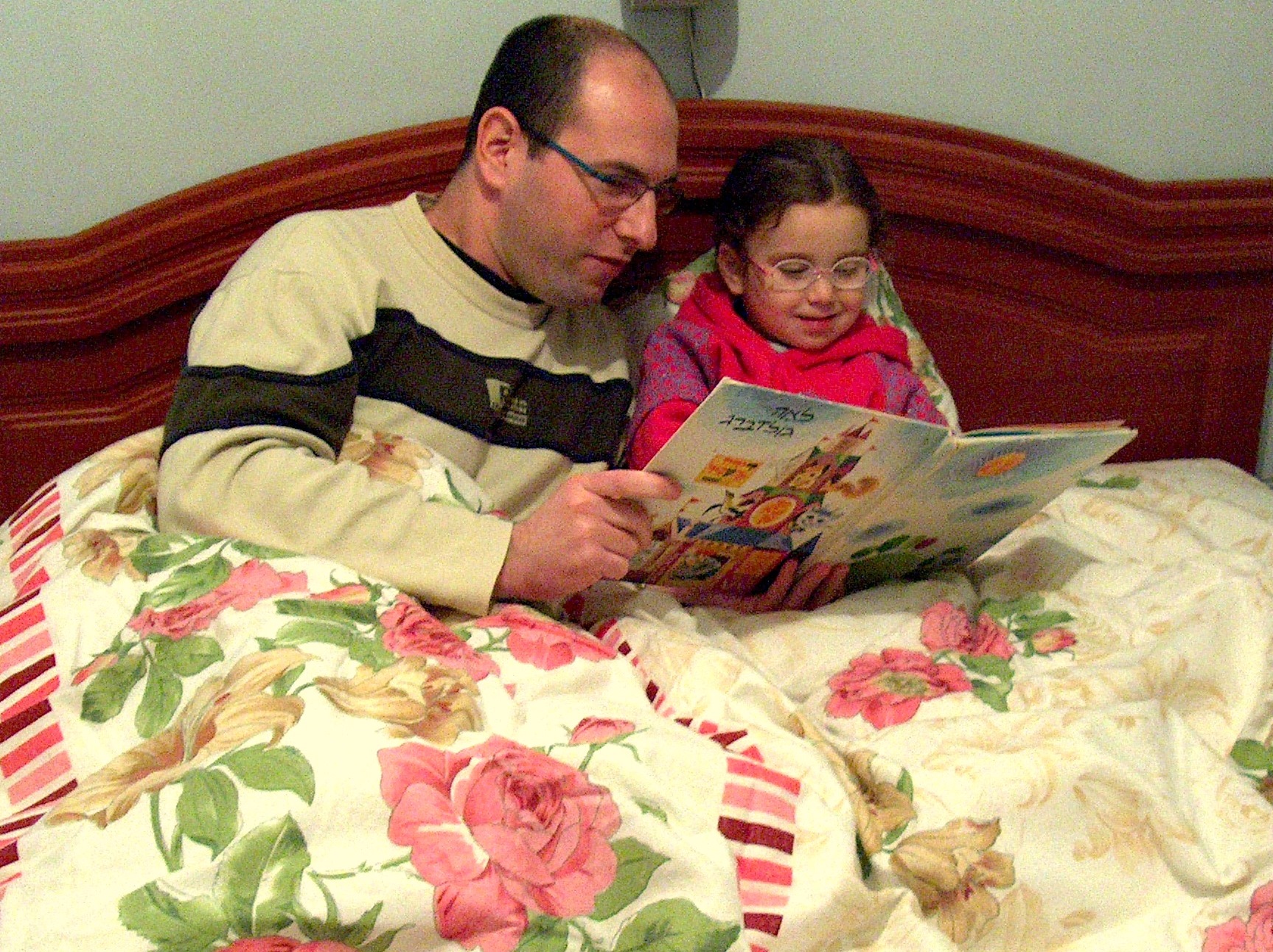
Why worries show up at bedtime
School-age children can imagine future problems more clearly than younger children, but they are still learning how to judge risk and settle strong feelings. At night there are fewer distractions, tiredness lowers coping capacity, and ordinary uncertainties can feel enormous. A recent change—school pressure, conflict with a friend, scary media, family stress, illness, or a disrupted routine—may add fuel.
Not every delay is anxiety. A child may also be testing a limit, need a different sleep schedule, feel physically uncomfortable, or simply want more time with you. Respond to the need you can observe without turning bedtime into an investigation. A useful opening is: “I can see your mind is busy. We have a short plan for worries, and I will help you follow it.”
The American Academy of Pediatrics recommends regular sleep routines and consistent bedtimes. Its guidance on bedtime routines for school-age children also emphasizes calm activities and avoiding stimulating screens near bedtime.
Set up the routine before the hard moment
Explain the plan in daylight, not for the first time when your child is exhausted. Let them help choose two small details, such as the book or the quiet music, while adults keep the overall order and bedtime. Put paper and a pencil beside the bed for “worry parking.” Dim lights, finish active play earlier, and place devices outside the bedroom when possible.
Keep the basic sleep environment comfortable, dark, quiet, and cool enough for your child. A dim night-light is reasonable if darkness is the main fear. Avoid repeated clock-checking; watching minutes pass can turn sleep into a performance.
The 15-minute wind-down routine
This routine is a framework, not a stopwatch test. Use approximately the same sequence each night. If bathing, teeth, medication, or other care takes longer, complete those tasks first and begin this quiet 15-minute period once your child is ready for bed.
Minutes 0–3: Connect without interrogating
Sit close and offer your full attention. Start with one gentle prompt: “What felt easy today, and what felt hard?” If your child does not want to talk, do not force disclosure. You can say, “You do not have to explain everything tonight. I am here.”
Reflect rather than immediately correcting: “You are worried you might forget your lines tomorrow.” Avoid “There is nothing to worry about,” which can make a child feel misunderstood. Validation means the feeling makes sense; it does not mean the feared outcome is likely.
Minutes 3–6: Park the worry
Ask your child to write or draw one concern on a small piece of paper. A younger child can dictate while you write. Fold it and place it in a box, envelope, or notebook. Then name a specific return time: “We will look at this tomorrow after breakfast,” or “We will make a plan at 4:30 after school.”
This step is not about throwing the concern away. It tells the brain that the problem has been recorded and does not need to be rehearsed all night. Keep your promise to revisit it. If you repeatedly forget, the worry box loses credibility.
A simple worry-parking script
“That thought matters, and we do not have to solve it in bed. Let’s write it down. Tomorrow at our check-in, we can decide whether it needs a plan, an adult’s help, or simply more time.”
Minutes 6–10: Offer two calming choices
Give your child two quiet options, not an open-ended menu. For example:
- Read one short chapter together or listen to a calm audio story.
- Try five slow breaths or do a brief body scan from toes to forehead.
- Hear a familiar song or name three safe, ordinary things in the room.
If breathing exercises make your child more focused on discomfort, choose another activity. Regulation is individual. The best option is simple enough to repeat and calm enough that it does not become a new source of excitement.
Minutes 10–13: Make tomorrow feel manageable
Give one concrete piece of information about the next morning: clothes are ready, the alarm is set, lunch is packed, or an adult knows about the school concern. Do not begin a long planning session. One completed preparation can reduce uncertainty without rewarding escalating reassurance-seeking.
If mornings are also tense, Nappot’s guide to a morning routine children can do more independently offers a practical way to make the next transition more predictable.
Minutes 13–15: Use the same closing words
End with a short phrase that stays the same: “You are safe, your job is to rest, and I will see you in the morning.” Give the agreed goodnight gesture, leave, and follow your usual check-in plan if you use one. Predictability matters more than finding perfect words.
What to do when your child calls you back
Decide the response before bedtime. For a routine request, return briefly, use a calm voice, and repeat the same message. Keep lights low and conversation short. You might say, “I hear that the worry came back. It is parked for tomorrow. Now it is rest time.” Then leave again.
Attend promptly to illness, pain, breathing difficulty, a bathroom need, or a genuine safety concern. Consistency should never mean ignoring physical distress. If you are unsure whether symptoms are medical, contact your child’s health professional.
Avoid adding a new snack, extra show, extended debate, or repeated detailed reassurance each time your child calls. These can unintentionally make wakeful interaction more rewarding. Warmth and boundaries can coexist: be kind, brief, and boring.
Move problem-solving to a daytime worry check-in
Return to the parked concern at the promised time. Sort it into one of three groups:
- A problem we can act on: Pack the missing item, email the teacher, practice the presentation, or plan what to say to a friend.
- A feeling we can support: Listen, name the emotion, and identify a coping step even when no immediate fix exists.
- A possibility we cannot control: Acknowledge uncertainty and redirect attention to what your child can do today.
Keep this check-in contained—often 10 to 15 minutes is enough. If worries fill the entire day, avoidance grows, or reassurance never feels sufficient, that pattern deserves closer attention rather than a larger bedtime routine.
Protect the basics that support sleep
Children ages 6–12 generally need 9–12 hours of sleep per 24 hours, according to sleep-duration recommendations summarized by the American Academy of Pediatrics. Individual needs vary, but a regular wake time and enough opportunity for sleep are useful anchors. See HealthyChildren’s overview of healthy sleep habits and sleep duration.
- Keep wake time and bedtime reasonably consistent, including weekends.
- Build in daylight, movement, and outdoor time during the day.
- Avoid caffeine, including some sodas, tea, coffee drinks, chocolate, and energy drinks, especially later in the day.
- Turn off stimulating screens before bed and keep devices out of the sleep space when possible.
- Use the bed mainly for sleep rather than homework, gaming, or conflict-heavy conversations.
Do not give melatonin, antihistamines, herbal products, or other sleep aids to a child without discussing them with a pediatrician or qualified clinician who knows the child’s health history.
When bedtime worry needs extra support
Seek professional guidance when anxiety is persistent, worsening, or interfering with sleep, school attendance, friendships, family activities, or daytime functioning. Other reasons to call include frequent panic symptoms, repeated physical complaints without a clear cause, major avoidance, nightmares linked to a frightening event, loud snoring or breathing pauses, or severe daytime sleepiness.
Talk with your child’s pediatrician or primary care clinician first; the school counselor may also help identify patterns and supports. The NHS overview of anxiety in children describes signs that anxiety may be affecting everyday life. The U.S. National Institute of Mental Health also explains when to seek help for a child’s mental health.
If a child talks about wanting to die, self-harm, or being unable to stay safe, seek urgent local crisis or emergency help. Do not leave the child alone while arranging support.
A one-week reset plan
- Choose the same start time for the quiet routine each night.
- Prepare one worry-parking place and agree on the next-day review time.
- Let your child choose between two calm activities.
- Use one closing phrase and one brief callback response.
- Track patterns privately, including bedtime, wake time, major stressors, and how long settling takes.
- Review after seven days, looking for a trend rather than demanding a perfect night.
Expect uneven progress. A difficult school day or family change can temporarily increase bedtime anxiety in children. Keep the routine steady, address solvable concerns in daylight, and get help when worry is disrupting your child’s life. The goal is not to eliminate every uncomfortable thought. It is to help your child experience worry as something that can be named, supported, and carried safely into tomorrow.
This article provides general educational information and is not a diagnosis or a substitute for individualized medical or mental-health care.