Picky eating without pressure can feel almost impossible when a child refuses dinner before tasting it, asks for the same food every day, or becomes upset when foods touch. Yet hesitation around unfamiliar foods is common in the toddler and preschool years. Young children are developing preferences, noticing sensory details, and discovering that they can say no.
The goal is not to make a child eat a particular number of bites. It is to build a calm, repeatable setting in which they can become familiar with food at their own pace while adults continue to offer balanced choices. This simple exposure plan separates the adult’s job—what, when, and where food is served—from the child’s job—whether and how much to eat from what is offered.
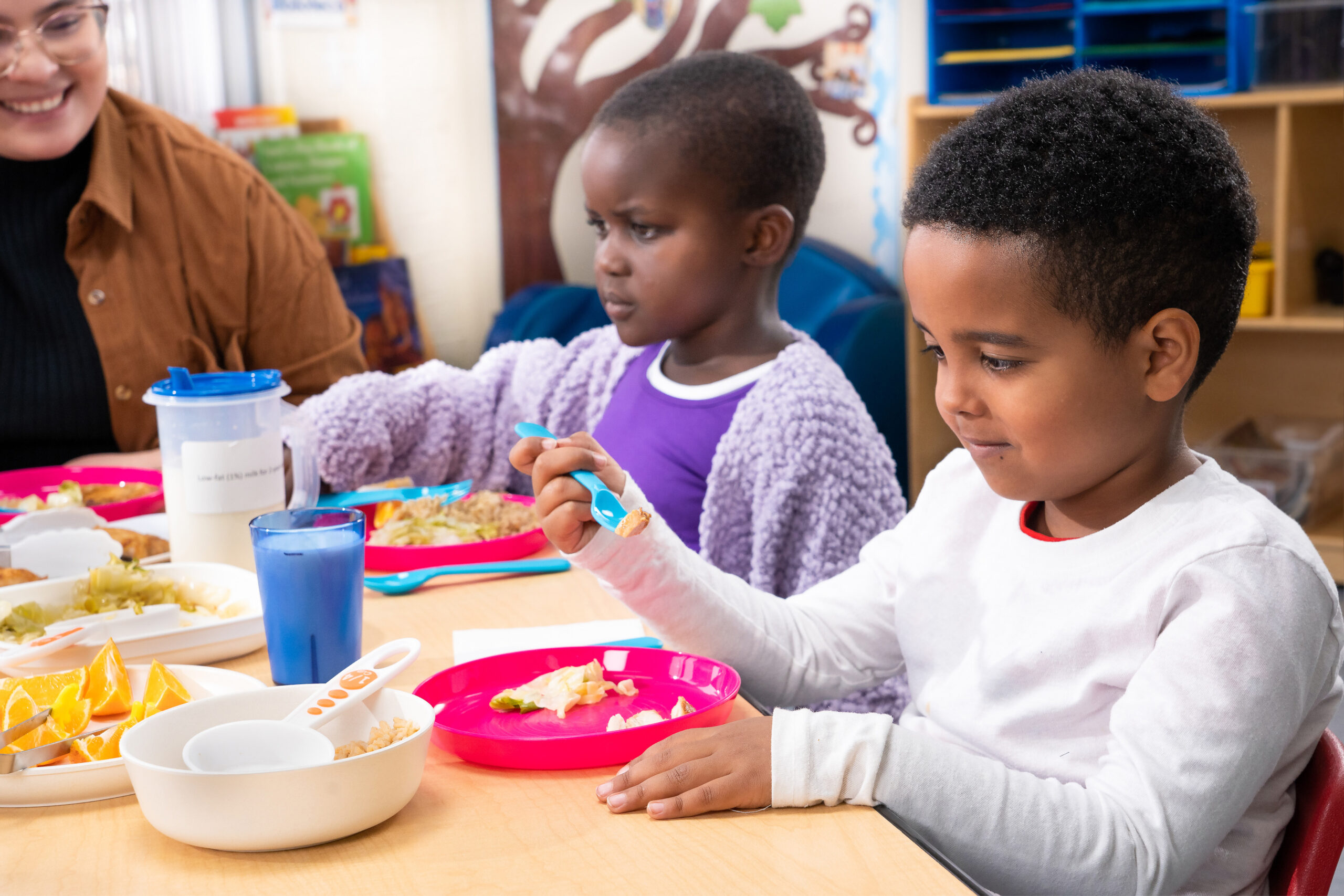
Why pressure often backfires
“Just one bite” sounds small to an adult, but it can turn the table into a test. Bargaining, forcing, shaming, hiding disliked foods, or withholding dessert until vegetables are eaten may increase conflict and teach a child to ignore hunger and fullness cues. Praise can also become pressure when every bite draws intense attention.
Instead, keep your response neutral. You might say, “You do not have to eat it. It can stay on your plate,” or, “This is what we are having. You may choose from the foods on the table.” The American Academy of Pediatrics advises parents of picky eaters to avoid becoming a short-order cook while continuing to offer a variety of healthy foods.
Pressure-free does not mean structure-free. Children still need dependable meal and snack times, safe seating, age-appropriate food preparation, and adult supervision. It means that the adult provides the structure without controlling the child’s appetite.
Start with a dependable meal rhythm
Offer meals and planned snacks at broadly predictable times, with water available between them. Constant grazing can make it difficult for a child to arrive at the table hungry enough to engage with food. The exact schedule will vary with naps, child care, medication, growth needs, and family routines, so use a pattern that fits your household rather than watching the clock rigidly.
At each main meal, include at least one familiar food your child usually accepts. This is sometimes called a “safe” or “learning-ready” food. It might be bread, rice, fruit, yogurt, beans, pasta, or another ordinary part of the meal. It is not a separate replacement dinner and does not need to be the child’s favorite. Its purpose is to make the meal approachable while everyone shares the same general menu.
A useful table script
“You can choose what to put on your plate from these foods. You do not have to taste everything. The next planned food time is our afternoon snack.”
A simple five-step exposure plan
Step 1: Choose one learning food
Begin with one food rather than a plate full of unfamiliar items. Choose something related to a food your child already accepts. If plain pasta is comfortable, try the same shape with a little sauce on the side. If apple slices are accepted, offer a thin pear slice. Small changes make comparison possible without creating an overwhelming jump.
Serve a tiny amount—perhaps one pea, a thumbnail-sized piece, or a teaspoon—alongside familiar foods. A large portion can look threatening and creates unnecessary waste. The child can ask for more.
Step 2: Let “learning” happen before eating
Exposure includes more than swallowing. Looking, tolerating the food on the table, serving it with tongs, smelling it, touching it, licking it, or taking a bite and politely removing it are all ways to gather information. Do not insist that your child complete every step in one meal.
Invite curiosity with factual language: “This cucumber is cool and crunchy,” or, “The inside is softer than the peel.” Avoid promising, “You will love it,” which can feel untrue if the child does not. Also avoid labeling the child as “picky” within earshot. Preferences can change; identity labels can make them feel fixed.
Step 3: Repeat without keeping score
Children often need many calm encounters before a food feels familiar. There is no universal number of exposures that guarantees acceptance. Offer the food again on another day, prepared in the same way at first, then vary one feature at a time. A rejected roasted carrot may be accepted grated, steamed, or served cold, but the child is not failing if none of those versions works yet.
Keep a private note if it helps you remember what was offered and tolerated, but do not display a sticker chart for bites or compare siblings. Measure progress broadly: less distress at the table, willingness to serve the food, or acceptance of a new brand can matter even before eating expands.
Step 4: Use family-style choices when practical
Place a few meal components in serving dishes and let children choose small portions with help. A taco meal might offer tortillas, beans, chicken, avocado, tomato, and cheese separately. A pasta meal might include noodles, sauce, peas, and grated cheese. Deconstructed meals allow children to see each item clearly while keeping the family menu connected.
Young children still need close supervision. Use child-safe serving tools, keep hot dishes and sharp utensils out of reach, and prepare foods to reduce choking risk. Family-style service is a learning opportunity, not a requirement for every busy evening.
Step 5: End the meal calmly
Set a reasonable family endpoint instead of keeping a child at the table until they eat. When the meal is over, clear it without a lecture. If the child ate little, avoid immediately producing a preferred substitute. Reassure them about the next planned snack or meal, then follow through.
If your child is genuinely hungry soon afterward, consider whether portions, timing, illness, activity, or the meal’s familiar option need adjustment. Structure should support the child, not become a punishment. A consistent bedtime snack can be part of the routine if your family already uses one; keep it predictable rather than making it a reward for refusing dinner.
What a low-pressure plate can look like
There is no perfect plate, and a child’s intake can vary greatly from one meal to the next. Think in terms of options across the day rather than demanding balance at every sitting. A family meal might include:
- One familiar starch: rice, bread, potato, tortilla, or pasta.
- One protein or iron-rich food: beans, lentils, egg, fish, meat, tofu, or yogurt, prepared safely.
- One fruit or vegetable: served in an age-appropriate shape and texture.
- One learning food: a very small portion with no expectation to taste.
Offer variety over time and account for allergies, cultural foods, sensory needs, and medical advice. Nappot’s guide to healthy eating habits for toddlers has more ideas for routines and adult modeling without turning meals into a performance.
Keep safety separate from preference
A child who dislikes broccoli is different from a child who coughs, chokes, gags frequently, cannot manage expected textures, or seems frightened of swallowing. Modify the size, shape, and texture of food for the child’s development, seat them upright, and supervise eating. Whole grapes, nuts, popcorn, hard chunks of raw vegetables, spoonfuls of nut butter, hot dogs cut into coins, and other hard or round foods can be choking hazards for young children unless appropriately prepared.
Do not use food exposure exercises with a food that is unsafe because of an allergy or a clinician-directed restriction. If an allergic reaction is suspected—especially breathing trouble, facial or tongue swelling, widespread hives, repeated vomiting, or collapse—seek emergency care immediately according to your local emergency guidance.
When selective eating needs professional help
Ordinary food preferences can be frustrating, but some patterns need assessment. Contact your child’s pediatrician or primary care clinician if your child is losing weight, not growing as expected, has signs of dehydration or nutritional deficiency, regularly vomits, has pain with eating, or eats an increasingly narrow range of foods. Also ask for help when mealtimes cause severe distress, the child avoids entire texture groups, or feeding limits school, child care, travel, or family life.
Frequent coughing, choking, a wet or gurgly voice during meals, food pocketing, very long meals, or difficulty chewing may warrant a feeding or swallowing evaluation. The American Speech-Language-Hearing Association describes signs of feeding and swallowing disorders in children. Depending on the concern, a pediatrician may refer to a registered dietitian, speech-language pathologist, occupational therapist, gastroenterologist, allergist, dentist, or behavioral health professional.
The NHS guidance on fussy eaters also recommends looking at what a child eats over a week rather than one day and keeping mealtimes calm. General advice cannot determine whether a particular child’s diet meets their needs, so seek individualized care when you are worried.
A seven-day reset for family meals
- Choose predictable food times and reduce unplanned grazing between them.
- Add one familiar food to each main meal without making a separate menu.
- Offer one tiny learning portion and remove all bite requirements.
- Use neutral descriptions of color, smell, texture, and temperature.
- Let your child serve or explore when it is safe, even if they do not eat the item.
- End meals without bargaining and state when the next food opportunity will be.
- Review the week privately for reduced conflict and small signs of familiarity, not a count of new foods swallowed.
Picky eating without pressure is a long-term practice, not a one-week cure. Some meals will still be difficult, and appetite will change with growth, activity, sleep, and illness. Keep offering structure, familiarity, and manageable variety. When adults stop trying to win each bite, children gain more room to notice their own bodies and slowly build confidence around food.
This article provides general educational information and is not a substitute for individualized medical, nutrition, allergy, or feeding advice.



.jpg)