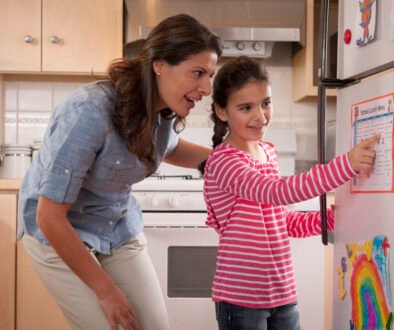
The signs a child is being bullied are not always a torn backpack or a direct disclosure. A child may complain of headaches on school mornings, stop mentioning a friend, sleep poorly, lose belongings, or become unusually irritable after using a device. One change does not prove bullying. A pattern is a reason to become curious, listen carefully, and gather facts.
Parents do not need to investigate like detectives or pressure a child into naming someone immediately. The useful first response is calm and protective: check immediate safety, ask neutral questions, document what is known, and work with the school on a specific plan.
Bullying, conflict, and a bad day are not the same
Children disagree, exclude one another, say hurtful things, and make mistakes. Every incident deserves an appropriate response, but not every conflict is bullying. The American Academy of Pediatrics describes bullying as repeated intimidation or harassment involving a power imbalance. The power difference may involve size, social status, popularity, access to embarrassing information, group pressure, or another advantage that makes it difficult for the targeted child to stop what is happening.
Look at four features together:
- Behavior: What was said or done—in person, through another child, or online?
- Power: Could the child realistically defend themselves or leave without a cost?
- Pattern: Has it happened repeatedly, or is there a credible risk that it will continue?
- Impact: Is the child’s safety, learning, attendance, sleep, confidence, or social life being affected?
A one-time threat, assault, discriminatory incident, sexual harassment, or sharing of intimate material may require an urgent response even without repetition. Do not dismiss serious conduct because it does not fit a narrow label.
Warning signs across the child’s life
There is no single checklist that confirms bullying. Some children show several changes, while others hide the experience because they fear retaliation, embarrassment, losing device access, or disappointing adults. Pay attention to changes from your child’s usual pattern.
School and attendance
- frequent requests to stay home, unexplained lateness, or fear of the bus, lunch, recess, bathroom, or one route;
- a sudden drop in participation, concentration, or school performance;
- losing interest in clubs, sports, or activities previously enjoyed;
- asking for extra money, food, rides, or replacement supplies without a clear explanation.
Mood, body, and routines
- headaches, stomachaches, appetite changes, nightmares, or trouble sleeping, especially around school days;
- withdrawal, tearfulness, anger, shame, jumpiness, or a noticeable loss of confidence;
- unexplained injuries or clothing and belongings that repeatedly go missing or return damaged;
- strong distress after messages, games, group chats, or social media use.
Friendships and online life
- a sudden friendship change, exclusion from a familiar group, or reluctance to discuss peers;
- avoiding shared spaces or changing routes to keep away from certain children;
- rapidly closing screens, deleting accounts, receiving many upsetting notifications, or being afraid to go offline;
- talking as if they deserve mistreatment or have no one safe to sit or play with.
These changes can also be connected to illness, anxiety, grief, learning stress, family change, or ordinary friendship difficulties. Treat them as invitations to ask more—not as proof or a diagnosis.
Questions that invite rather than pressure
Choose a low-pressure moment, perhaps while walking, drawing, or riding in the car. Start with what you observed: “I’ve noticed your stomach hurts most on school mornings and your lunchbox has gone missing twice. I want to understand what school has felt like lately.”
Ask about specific parts of the day:
- “Who do you usually sit with at lunch or play with at recess?”
- “Is there a place or time at school that you try to avoid?”
- “Has anyone been making it hard for you to feel safe or included?”
- “What happens before you get those messages?”
- “Who at school feels safe to ask for help?”
- “What are you worried might happen if an adult steps in?”
Avoid leading questions such as “Is that boy bullying you again?” Do not promise complete secrecy, because adults may need to act for safety. A better promise is: “I will tell you what I plan to do, include you where I can, and share this only with people who need to help.” If the child is not ready, leave the door open: “You do not have to answer now. You can tell me, write it, draw it, or choose another trusted adult.”
If a child discloses harm, listen before giving a long lecture. Say clearly: “I’m glad you told me. This is not your fault. You deserve to be safe. We will work out the next step together.”
Check urgent safety before anything else
Ask directly and calmly whether the child is afraid of being hurt, has been threatened, has been sexually harmed, or is thinking about hurting themselves or someone else. Seek prompt local emergency, safeguarding, medical, or mental-health support for immediate danger, serious injury, abuse, extortion, a weapon threat, self-harm, or suicidal thoughts. Preserve relevant messages or images, but do not redistribute harmful or intimate material.
Do not tell a child to fight back. That can increase injury, discipline problems, and retaliation. Also avoid an angry confrontation with the other child or family at the school gate. Adults need a process that protects the child without escalating the situation or exposing a disclosure publicly.
What to document
A concise record helps the school see a pattern and respond to facts. Keep it private and include:
| Record | Useful details |
|---|---|
| Incident | Date, time, location, what happened, and the child’s own words |
| People | Names of involved children, adults, or witnesses when known |
| Evidence | Screenshots, URLs, damaged belongings, attendance records, or school messages |
| Impact | Injury, missed learning, sleep changes, fear, friendship changes, or health symptoms |
| Response | Who was told, what action was agreed, and the follow-up date |
Write observations rather than conclusions. “Three threatening messages arrived between 7:10 and 7:25 p.m.” is more useful than “The school never protects anyone.” Keep original digital evidence where possible and note the account, date, and platform before blocking or reporting.
How to approach the school
Contact the teacher, counselor, safeguarding lead, principal, or the person named in the school’s policy. Use a private channel. Describe the behavior and impact rather than arguing first about the label: “My child reports that two pupils block the bathroom doorway and demand lunch money. This happened on three named dates, and my child now avoids lunch.”
Ask concrete questions:
- What have staff observed in the location and time involved?
- Who will be the child’s named safe adult?
- How will arrival, recess, lunch, transportation, and online school spaces be supervised?
- How can the child report a new incident without having to explain it publicly?
- What will the school document, and when will the family receive an update?
- What is the follow-up date if the first plan does not stop the behavior?
Ask for a safety plan without demanding confidential information about another child’s discipline. A useful plan identifies who does what, where the child goes for help, how adults reduce contact or improve supervision, and when everyone reviews progress. If school avoidance has already begun, Nappot’s guide on what to do when a child refuses school offers a first-response and return-planning framework.
Support the child without taking over every choice
Bullying can make a child feel powerless. Restore appropriate choice: ask which trusted adult they prefer, whether they want a parent beside them during a meeting, and what part of the day needs help first. Do not make the child face the other child, mediate, or apologize together as an automatic solution. A power imbalance can make forced face-to-face resolution unsafe or misleading.
Practice short help-seeking actions: move toward a supervised area, use a clear phrase such as “Stop. I’m getting an adult,” save evidence, and identify two adults and two peers who are likely to help. Strengthen safe relationships without implying that the child must become more popular to earn safety. Nappot’s article on coaching healthy school-age friendships includes ways to support connection without solving every social problem.
Keep ordinary routines, enjoyable activities, and supportive relationships where possible. Check in without making bullying the subject of every conversation. If anxiety, low mood, sleep trouble, physical symptoms, or school participation continue, involve a pediatrician, qualified mental-health professional, or other appropriate local professional.
A simple school follow-up message
“I am following up on the concern reported on [date]. The behavior described was [brief observable facts], and the current effect is [safety, attendance, learning, health, or wellbeing]. Please confirm the named adult, immediate safety steps, how new incidents should be reported, and our review date. My child is worried about [retaliation/public questioning/another specific concern], so please include that in the plan.”
The protective response
The most useful response to possible bullying is neither panic nor “ignore it.” Notice patterns, ask neutral questions, take serious behavior seriously, and turn concern into a documented safety plan. The signs a child is being bullied can overlap with many other difficulties, so keep listening and revising the plan as facts emerge.
Your child needs to hear two messages together: “I believe you deserve to feel safe,” and “You will not have to manage this alone.”
Sources
- American Academy of Pediatrics: Bullying—It’s Not OK
- American Academy of Child and Adolescent Psychiatry: Bullying
This article provides general parenting education, not medical, mental-health, legal, or school-policy advice. School procedures and reporting duties vary. Seek qualified local help for persistent distress or any health or safety concern.