12 year old e-bike speed safety is not just about whether a child can balance on two wheels. An e-bike can be heavier, accelerate differently and reach speeds that change the consequences of a mistake. Before a first ride, parents need to identify the bike class, check the rules where the child will ride, and decide whether the child has the skills and judgment for that particular machine and route.
This is a practical family safety guide, not legal or medical advice. Local rules can set age, helmet, registration, trail and road limits that differ from general guidance. Check your local transport authority and the manufacturer manual before buying or riding.
Start by identifying what the bike actually is
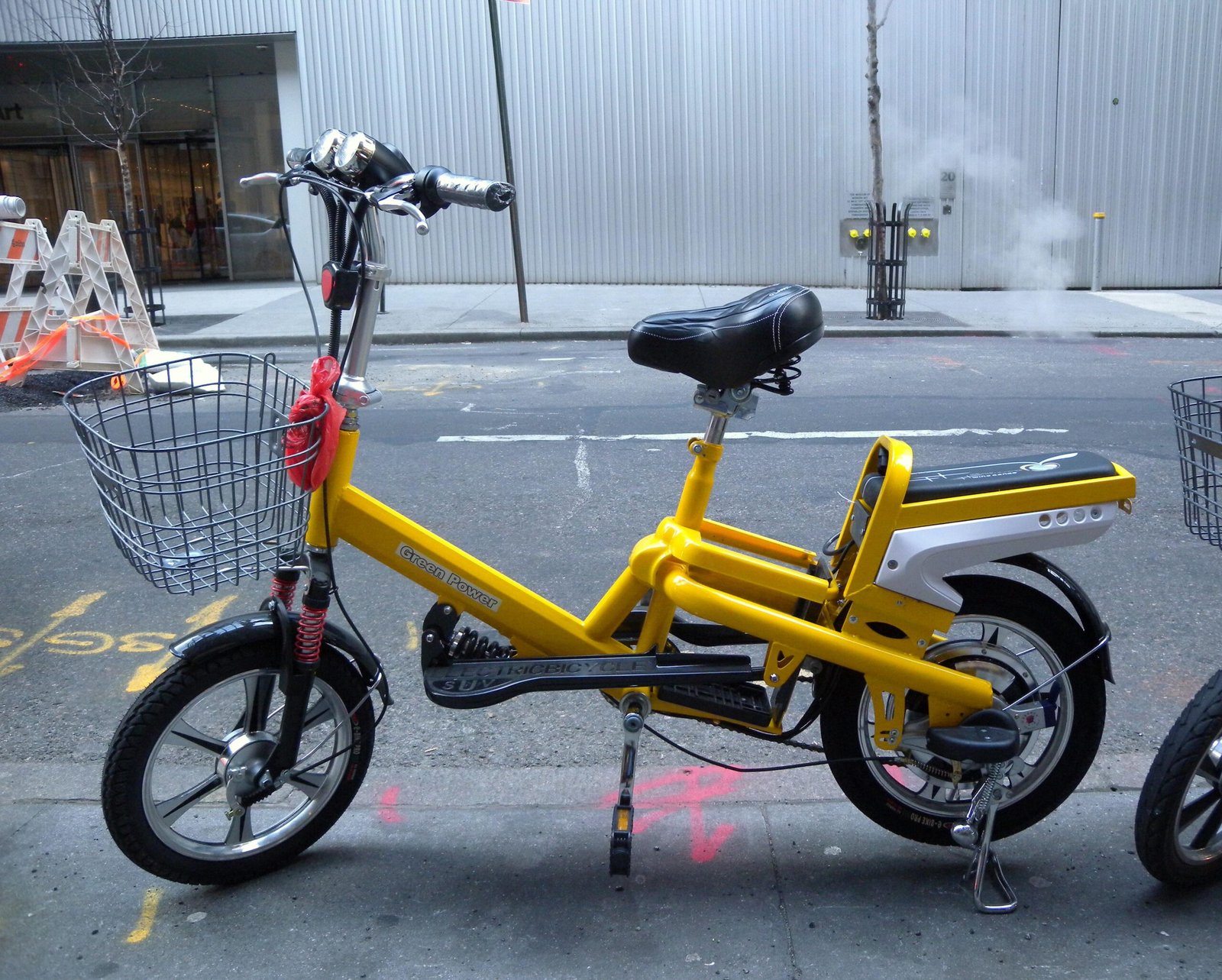
Do not rely on a seller’s shorthand such as “kids’ e-bike” or “e-moto.” Find the label, manual and model number. In the United States, many e-bikes are described in three classes: Class 1 provides pedal assist up to 20 mph; Class 2 can use a throttle up to 20 mph; and Class 3 pedal-assist bikes can reach up to 28 mph. State and local definitions can differ, and a product that looks like a bicycle may fall under a different vehicle rule if its motor or speed is outside the local e-bike definition.
The American Academy of Pediatrics advises that children under 16 should not ride Class 3 e-bikes and that families should pay attention to the higher speed, weight and handling demands of any e-bike. Never remove or unlock a speed limiter. That can make the bike harder to control and may be unlawful.
A parent class, speed and helmet check
- Read the model label. Confirm the class, top assisted speed, throttle function, rider weight range and minimum age in the manual.
- Check local rules for the exact route. Look separately at street, bike-lane, sidewalk, park and trail rules. A permitted bike on one route may be prohibited on another.
- Match speed to skill and environment. A quiet, supervised practice area is not the same as a school route with driveways, parked cars and crossings. Start in the lowest assist setting.
- Fit a helmet every ride. Use a certified bicycle helmet that sits level, has a snug adjustment system and a buckled chin strap. Replace a helmet after a crash or visible damage; follow the manufacturer’s instructions.
- Check the bike before each ride. Test brakes, tires, steering, chain or belt, lights, reflectors, battery mount and bell. A child should know not to ride if something is loose, damaged or unfamiliar.
- Set a no-passenger rule unless the bicycle is built and legally approved for one. Extra riders can affect balance and braking.
Readiness means more than bicycle confidence
A child who rides a standard bicycle confidently still needs practice with an e-bike. Ask whether they can start and stop smoothly, look over a shoulder without swerving, scan at driveways, follow a planned route, stop when a parent calls, and choose not to ride when friends pressure them to go faster. They should also understand that headphones, a phone, racing, stunts and carrying a friend all make a ride less predictable.
Practice in stages
Begin with an adult in an empty paved area. Practice mounting, braking, turning, signaling, looking around and restarting with assist set low. Then ride a short, low-traffic route together. Only add a school or friend route after the child has shown the same choices repeatedly, not after one good outing. Review the plan after rain, darkness, a route change or a new bike setting.
Make a simple family riding agreement
- Wear the helmet before the bike moves.
- Use the agreed route, daytime limits and check-in time.
- Keep both hands available for the handlebars; no phone or earbuds while riding.
- Ride alone unless the bike is designed and approved for a passenger.
- Do not alter the motor, battery, charger or speed setting.
- Stop riding and call an adult after a crash, a brake problem, a warning light or battery damage.
Write the agreement in plain language and agree on what happens if a rule is broken. A predictable pause in riding is usually more useful than arguing in the moment.
Battery and charging safety matters at home
The Consumer Product Safety Commission advises using the charger supplied or recommended by the manufacturer, following the manual and staying present while charging. Charge away from exits and sleeping areas, on a hard surface, and unplug when charging is complete. Do not use a swollen, leaking, overheating, damaged or recalled battery. If you notice smoke, unusual heat, odor, hissing or fire, move people away, call emergency services and follow local fire guidance; do not try to handle a battery fire yourself.
When the answer should be “not yet”
Pause the plan if the bike’s class or speed exceeds local rules or the child’s demonstrated skills; if the route requires busy-road judgment; if the helmet will not be worn consistently; or if the child cannot follow a low-speed practice plan. “Not yet” can mean more practice on a standard bicycle, a lower-powered model, a different route or waiting until local rules and maturity line up.
After a fall or close call
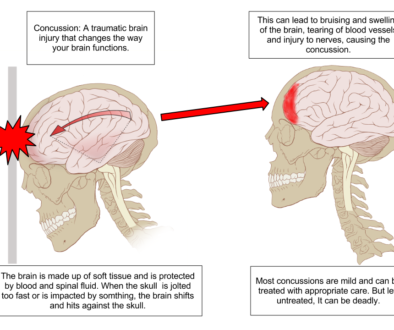
Stop the ride, assess for injury and inspect the bike and helmet. Seek urgent medical help for loss of consciousness, repeated vomiting, worsening headache, confusion, seizure, trouble breathing, severe bleeding, severe pain or any concern after a head injury. Even when a child seems well, a clinician can advise on symptoms after a significant crash. Do not return to riding until the child, helmet and bike have been checked appropriately.
The bottom line
12 year old e-bike speed safety starts with the exact machine, not an age alone. Know its class and top speed, follow local laws, fit the helmet correctly, practice at low assist, set clear family rules and treat charging as a safety task. If any part of the route, bike or judgment check is uncertain, choose a slower step rather than a faster bike.