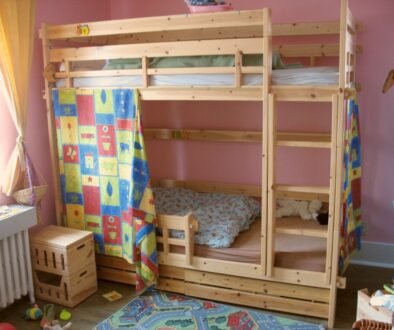
Late summer bedtimes can drift surprisingly far from the school-day schedule. A child who falls asleep at 10:30 p.m. and wakes at 9:00 a.m. may not be able to switch instantly to an early bedtime and a 6:30 a.m. alarm. The result can be a wide-awake child at night, a difficult morning, and an exhausted first week.
The most practical way to reset a child sleep schedule before school is to move the whole day gradually—not simply announce an earlier bedtime. Morning light, a consistent wake time, regular meals, daytime movement, and a calm evening routine all help the body clock adjust. This seven-day plan is designed for school-age children and can be slowed down when a child needs more time.
First, work out the target schedule
Start with the time your child must wake on a school morning. Then count backward to create enough opportunity for sleep. The American Academy of Pediatrics notes that children ages 6–12 generally need 9–12 hours of sleep in 24 hours, although individual needs vary. A seven-year-old who must wake at 6:30 a.m. might therefore need lights out around 8:30 or 9:00 p.m., depending on how long it takes them to fall asleep and how they function during the day.
Watch the child, not only the clock. Difficulty waking, irritability, impulsive behavior, falling asleep in the car, headaches, and a large weekend sleep-in can all suggest that the current schedule is not providing enough rest. If your child already sleeps and wakes close to the school schedule, use smaller shifts or simply hold the routine steady.
The 7-day school sleep reset
This example assumes the current wake time is about 8:00 a.m. and the target is 6:30 a.m. It moves wake time and bedtime 15 minutes earlier most days. If the gap is larger, begin two weeks before school or make 15-minute shifts every two days.
| Day | Wake time | Bedtime target | Main action |
|---|---|---|---|
| Day 1 | 7:45 a.m. | 15 minutes earlier | Get outdoor light soon after waking |
| Day 2 | 7:30 a.m. | 15 minutes earlier | Serve breakfast near the school-day time |
| Day 3 | 7:15 a.m. | 15 minutes earlier | Add active play during the day |
| Day 4 | 7:00 a.m. | 15 minutes earlier | Move dinner and evening activities earlier |
| Day 5 | 6:45 a.m. | 15 minutes earlier | Practice the complete school-night routine |
| Day 6 | 6:30 a.m. | Target bedtime | Keep the morning active; avoid sleeping in |
| Day 7 | 6:30 a.m. | Target bedtime | Repeat the school-morning sequence |
The bedtime target should reflect your child’s sleep need, not the sample times alone. A child who needs ten hours and wakes at 6:30 a.m. needs to be asleep around 8:30 p.m.; the routine must begin before that.
What to do each morning
Wake at the planned time
The wake time is the strongest anchor in this plan. Letting a child sleep two hours later after a difficult night can make the next bedtime harder. Wake them gently at the planned time, open the curtains, and move into the morning rather than negotiating repeated snoozes. A rough first morning is possible, but consistency usually makes the following nights easier.
Use light and movement
Natural morning light helps signal that the day has started. Open blinds immediately and, when practical, eat breakfast by a bright window or spend 15–30 minutes outdoors. A short walk, playground visit, or active chore can increase alertness. Do not ask a sleepy child to stare directly at the sun; ordinary daylight exposure is enough.
Practice the school sequence
On the final two or three days, rehearse the real order: wake, bathroom, dress, breakfast, teeth, bag, and shoes. This exposes timing problems before the first school morning. Keep the practice low-pressure. The goal is predictability, not a perfect performance.
What to do each evening
Create a clear “day is ending” cue
About an hour before bed, lower the stimulation level. Dim bright room lights, stop rough play, and finish highly engaging games. Screens can delay the routine because exciting content makes stopping difficult and bright light can interfere with sleepiness. Choose a family rule that is easy to repeat, such as devices charging outside bedrooms 60 minutes before lights out.
Use the same short routine
A dependable routine might be: wash, pajamas, prepare tomorrow’s clothes, brush teeth, read together, quick check-in, lights out. Keep it around 20–30 minutes. Adding many extra activities on a difficult night can teach a child that bedtime expands when they resist.
If worries appear once the room becomes quiet, address them before lights out. A brief “worry list,” tomorrow plan, or breathing exercise may help. Nappot’s 15-minute routine for bedtime worries offers a structured option without turning bedtime into a long problem-solving session.
Protect the sleep setting
A cool, quiet, dark room generally supports sleep. A dim night-light is reasonable if darkness causes fear. Check that notifications, pets, noise, and an uncomfortable room temperature are not repeatedly waking the child. Reserve the bed mainly for sleep rather than homework or gaming when possible.
If your child says, “I’m not tired”
Do not force sleep or turn the moment into an argument. Calmly hold the routine and allow a quiet, low-light activity such as looking at a familiar book for a limited time. Keep the planned wake time the next morning. As wake time, light exposure, and daytime activity shift earlier, sleepiness should gradually follow.
If the child lies awake for a long time every night, the bedtime may have moved too quickly. Hold the current schedule for another night or two instead of making a larger jump. Progress can be measured by a calmer routine and easier morning—not by falling asleep at an exact minute.
Common reset mistakes
- Changing bedtime but not wake time: the child may simply spend more time awake in bed.
- Sleeping late on the weekend: a large shift can undo the week’s progress. Try to keep wake time within about an hour of the school schedule.
- Using exhaustion as the strategy: keeping a child up very late to “reset” them often produces an overtired, dysregulated next day.
- Offering late caffeine: tea, coffee, cola, energy drinks, and some chocolate products can make sleep harder. Children should not use energy drinks.
- Starting an intense conversation at lights out: schedule school worries, logistics, and conflict resolution earlier in the evening.
- Making the plan punitive: frame the change as helping everyone’s body prepare, not taking summer fun away.
Adjust the plan for real family life
Some children need a slower two-week transition. Neurodivergent children, children with anxiety, and children who move between homes may benefit from a visual schedule and identical core cues in both places. The exact pajamas or book can change; the sequence and approximate timing should stay familiar.
Medication timing, shift work, shared bedrooms, sports, and religious or family routines can also affect the plan. Change what you can control and discuss medication or persistent sleep concerns with the child’s clinician rather than adjusting prescribed treatment on your own.
When to call the pediatrician
A schedule reset cannot solve every sleep problem. Contact your child’s pediatrician if loud frequent snoring, gasping, breathing pauses, restless or painful legs, repeated sleepwalking with safety risk, extreme daytime sleepiness, or ongoing insomnia is present. Seek advice as well if sleep difficulties continue for several weeks despite a consistent routine or are affecting school, mood, safety, or family functioning.
This article provides general education, not an individual diagnosis or treatment plan. A clinician can consider medical conditions, anxiety, attention difficulties, medications, and sleep disorders that may look like a routine problem.
A simple first-school-night checklist
- Wake at the school-day time, even if the previous night was imperfect.
- Get morning daylight and serve breakfast on schedule.
- Include active play, but finish intense exercise before the wind-down.
- Prepare clothes, lunch, and the school bag before the bedtime routine.
- Charge devices outside the bedroom.
- Begin the same 20–30 minute routine at the planned time.
- Keep the response to stalling calm, brief, and predictable.
- Repeat the plan for several days before deciding it failed.
A successful effort to reset a child sleep schedule before school does not require one flawless night. The body clock changes through repeated cues. Move the morning earlier, make evenings quieter, and give the new pattern enough time to become familiar.