Maximum Achievement by Brian Tracy is a practical personal-development classic about turning intention into measurable progress. Its central promise is not a shortcut to success; it is a repeatable way to decide what you want, examine the beliefs shaping your choices, and take responsibility for the next action.
That message matters to wealth building because money is rarely changed by one dramatic decision. Financial progress usually grows from clearer goals, useful skills, disciplined habits, better relationships, and consistent action. Tracy’s framework can be read as a challenge to make your definition of a wealthy life specific enough to guide your calendar and your bank account.
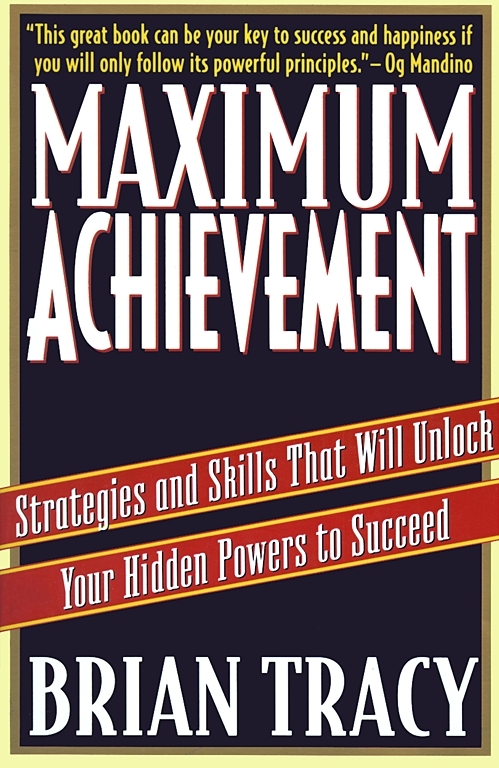
What Brian Tracy’s book is really about
Tracy presents achievement as a system rather than a personality trait. The system begins with an ideal picture of the future and then moves through responsibility, goal setting, self-image, planning, and sustained execution. He also treats peace of mind, health, relationships, and financial freedom as connected parts of a successful life. That broader view is useful: a larger income is not automatically wealth if it arrives with constant anxiety, broken trust, or no control over your time.
The book’s tone is motivational, but its best ideas become more valuable when translated into observable behavior. “Think positively” is too vague to manage. “Write one financial target, choose a weekly action, and review the result every Sunday” is a system. The lessons below turn Tracy’s themes into a practical wealth-building sequence.
Seven practical lessons for building wealth
1. Define success in your own numbers and conditions
Borrowing someone else’s definition of success creates an endless race. Start by describing your ideal financial life in concrete terms: desired monthly spending, emergency reserve, debt position, work arrangement, time with family, and the kind of work you want to keep doing. Do not confuse a target with a fantasy. The point is to create a direction that lets you recognize useful opportunities and reject attractive distractions.
Action: Write a one-page “wealth by design” statement. Include a target date, a reasonable savings or investing rate, and three nonfinancial conditions that make the goal worth pursuing.
2. Use zero-based thinking on recurring money decisions
One of Tracy’s most useful questions is: if I were starting over today, knowing what I now know, would I make this decision again? Applied carefully, this is a way to challenge inertia. It can expose an expensive subscription, an unprofitable side project, a debt payment plan that no longer fits, or a business commitment that consumes time without creating value.
Zero-based thinking is not an excuse to abandon every difficult task. Ask what you would choose today, consider the cost of changing course, and then make a deliberate decision. Sometimes the answer is to continue—but with a better boundary or a clear finish line.
3. Treat personal responsibility as financial control
Responsibility does not mean blaming yourself for every circumstance. It means separating what you can influence from what you cannot. You may not control market returns, an employer’s decision, or the economy. You can control whether you track cash flow, improve a valuable skill, negotiate thoughtfully, diversify risk, and protect a margin between income and spending.
Action: Make two columns: “outside my control” and “within my influence.” Choose one item from the second column and schedule a 30-minute action this week. Control grows when intention becomes a calendar appointment.
4. Build a self-image that supports the habits you need
People tend to defend an identity with their behavior. If you see yourself as someone who is always “bad with money,” a setback can become proof that change is pointless. A more useful identity is behavioral and specific: I am someone who checks the plan before spending, learns before investing, and keeps promises to my future self.
This is not about pretending to be wealthy. It is about making the desired behavior feel consistent with who you are becoming. Keep the identity grounded in evidence. Every automatic transfer, debt payment, completed course, and honest review is a vote for the new self-image.
5. Convert goals into written, prioritized actions
A goal without a next action remains a wish. Write the outcome, why it matters, the obstacles you expect, and the first three actions. Then rank the actions by leverage. For a debt goal, that may mean listing balances, choosing a repayment method, and arranging an automatic payment. For an income goal, it may mean identifying a valuable skill, interviewing customers, and making a weekly offer.
Keep a short list. A dozen simultaneous priorities can create the illusion of effort while hiding weak follow-through. One important financial action completed consistently is more useful than a complicated plan that is never reviewed.
6. Practice continuous learning where it compounds
Tracy links achievement to the deliberate acquisition of knowledge and skills. In wealth terms, learning can raise earning power, improve business judgment, and reduce avoidable mistakes. Choose learning that connects to a real economic use: clearer writing, sales conversations, data analysis, project management, investing fundamentals, or a trade customers already value.
Action: Select one skill for the next 12 weeks. Spend three focused sessions per week learning or practicing it, produce a small proof of work, and ask someone competent for feedback. Skill compounds when it is applied, not merely consumed.
7. Protect peace of mind with systems and boundaries
A wealth plan that destroys your health or relationships is poorly designed. Peace of mind is not passive comfort; it is the capacity to make decisions without being ruled by panic, resentment, or constant overload. A cash reserve, appropriate insurance, a written investment policy, protected sleep, and honest conversations can all reduce the emotional volatility that leads to expensive choices.
Set a weekly money meeting with yourself or your household. Review cash, upcoming obligations, progress toward goals, and one decision that needs attention. Keep investing decisions separate from news-driven emotion. Systems create space for judgment.
A simple 30-day Maximum Achievement reset
- Days 1–3: Write your definition of success and calculate your current monthly baseline.
- Days 4–7: Audit recurring expenses, commitments, and debts using zero-based thinking.
- Week 2: Choose one high-value financial goal and write the next three actions.
- Week 3: Begin one skill-building routine and automate one helpful money behavior.
- Week 4: Review what happened, remove friction, and set the next 30-day target.
Keep the reset modest enough to repeat. The aim is not a burst of motivation that fades; it is a personal operating system that makes good decisions easier to perform.
Bottom line
Maximum Achievement is strongest when its motivational message is paired with measurement and honest review. Define the life you want, question inherited commitments, take responsibility for your sphere of influence, build useful capability, and protect the peace that makes long-term judgment possible. Wealth is not just an amount; it is the expanding ability to direct your time, choices, and resources toward what matters.
Sources and credits
- Simon & Schuster — official publisher page and high-resolution cover source
- Maximum Achievement on Amazon.com — ISBN 9780684803319 / ASIN B007YZVDWI
- Open Library — edition record for the 1995 Simon & Schuster paperback
Book discussion for educational purposes only. It is not individualized financial advice.