Quick answer
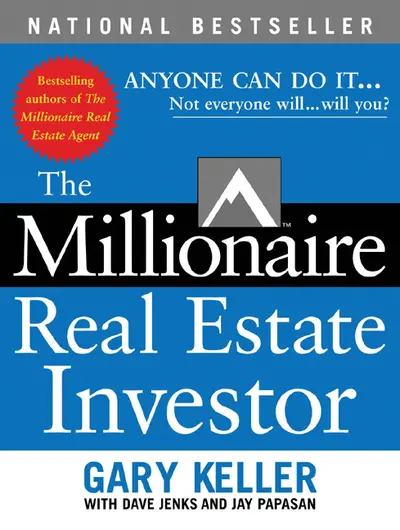
The Millionaire Real Estate Investor presents real estate investing as a business that requires clear criteria, negotiated deal terms, financial tracking, relationships, and repeatable lead generation. The public description says the book draws on the experience of more than 100 millionaire investors and covers investor mindset, opportunity criteria, transaction terms, a support team, net-worth tracking, finances, networking, and property acquisition.
The useful takeaway is not that property automatically creates wealth. It is that an investor needs a decision process before committing capital. This is a source-bounded overview based on publisher and Google Books descriptions, not a chapter-by-chapter summary or a recommendation to buy a particular property.
Who this is for: Beginners considering real estate and existing owners who want a more disciplined way to screen opportunities.
Scope: what the available sources establish
McGraw Hill identifies the 2005 first edition, ISBN 9780071469531, and the three listed authors. Its product page confirms the title and edition. The Google Books record carries the same title, authors, publisher, year, and public-description themes, although bibliographic records can vary by edition and ISBN.
Those public sources do not verify every chapter, quotation, case study, formula, return, or legal and tax recommendation in the full text. The framework and examples below distinguish the book’s public framing from Wealthy I AM’s editorial application.
The central idea: treat property investing as a system of choices
The book’s public positioning is broader than “find a house and hope it appreciates.” It emphasizes models, criteria, terms, finances, people, and acquisition. In plain language, an investor must decide what a good opportunity looks like, understand the numbers, negotiate the contract, and organize the people needed to execute.
That approach matters because real estate is often illiquid: selling can take time and costs can be substantial. Leverage—the use of borrowed money to control an asset—can magnify both gains and losses. A process cannot remove these risks, but it can make assumptions visible before a commitment.
Four lessons from the public description
1. Define criteria before looking at deals
The publisher says the book addresses criteria for identifying real estate opportunities. Criteria are rules that tell you what to consider and what to reject. They might include location, property type, intended use, required cash reserve, acceptable financing, and a minimum margin between expected income and costs.
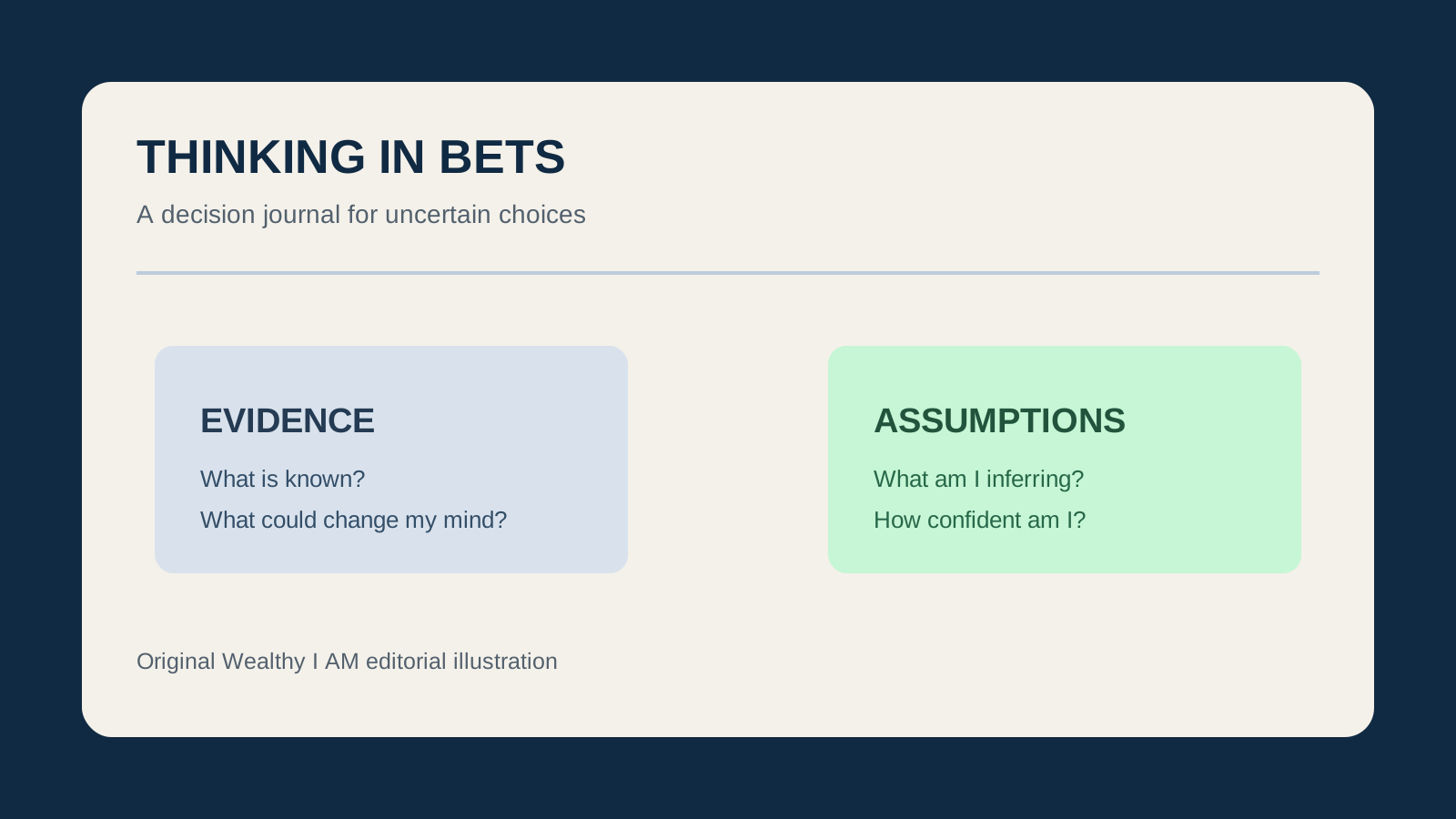
Editorial application: Write a one-page “buy box” before browsing listings. Include your investment purpose, maximum exposure, liquidity reserve, and reasons to walk away. This is a planning tool, not a verified Keller formula. A written filter can help prevent changing standards simply because one property feels exciting.
2. Judge the whole transaction, not only the asking price
The public description highlights focusing on key terms and achieving the best possible deals. Price is only one term. Financing rate, down payment, inspection conditions, closing costs, repairs, insurance, taxes, vacancy, management, and exit options can change the economics.
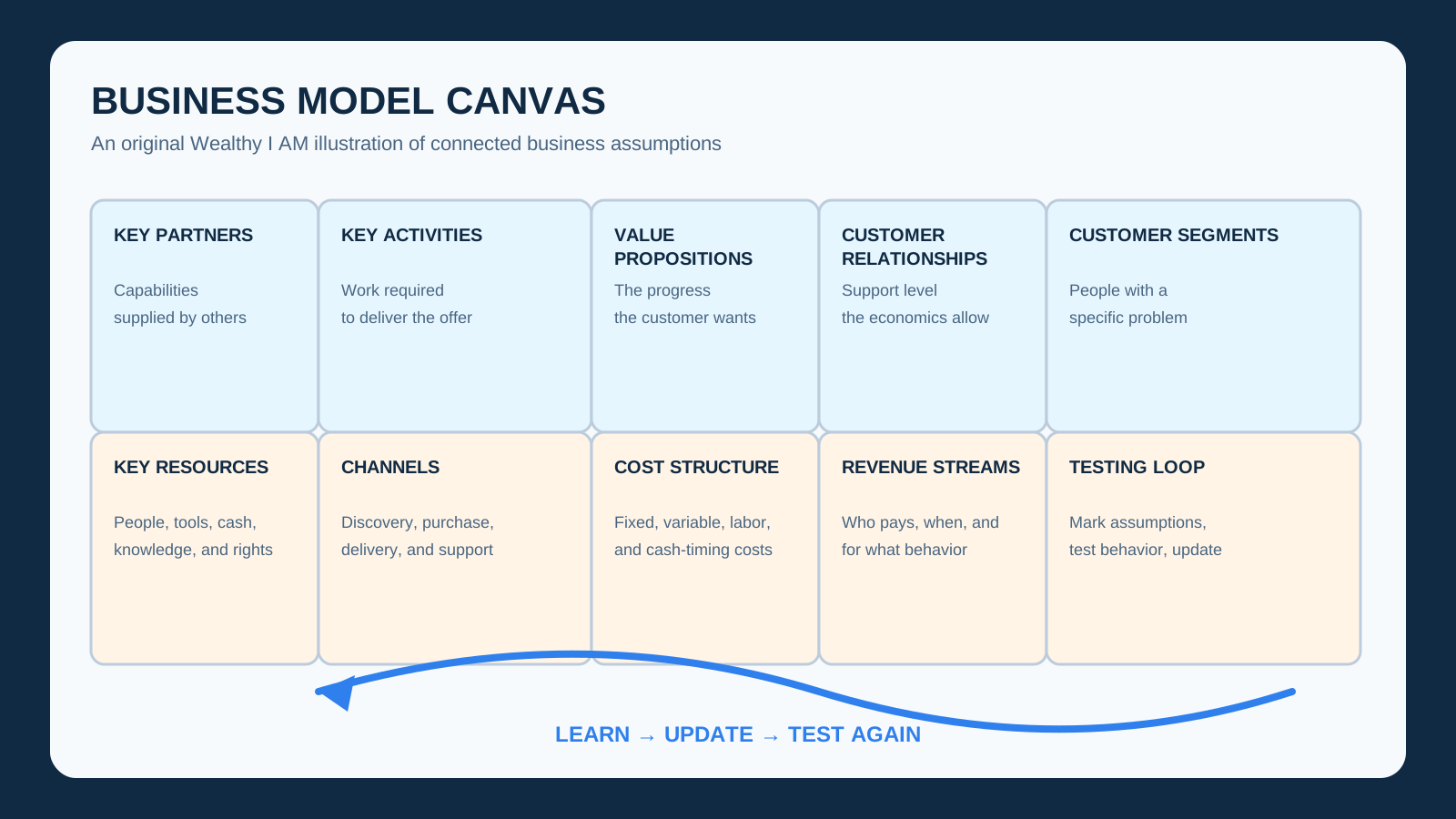
For a hypothetical illustration, suppose a property appears to produce $2,000 per month before expenses. That is not profit. A reader would need to subtract realistic operating costs, debt service, maintenance, reserves, and periods without a tenant. This example is not a forecast and does not come from the book.
Reader question: Which assumption would most damage the plan if it were wrong? Verify that assumption first.
3. Build a team without outsourcing judgment
The publisher’s description refers to a “dream team” that helps build an investment business. A real-estate transaction may involve lenders, inspectors, agents, contractors, property managers, accountants, and attorneys. Roles and licensing requirements vary by location.
Delegation does not transfer responsibility for the decision. Ask each professional what they do, how they are paid, what conflicts may exist, and which documents or assumptions you must review. Independent advice can be especially important for taxes, contracts, insurance, lending, and entity structure.
4. Track net worth and finances as operating information
The description says millionaire investors use models to track net worth, understand finances, build networks, generate leads, and acquire properties. Tracking is useful only when definitions are consistent. Net worth is assets minus liabilities; it is not the same as cash available for emergencies or the amount safely spendable.
Editorial application: Maintain a monthly dashboard with cash reserves, loan balances, expected income, recurring costs, upcoming repairs, and property-level results. Separate confirmed figures from estimates. A rising property valuation on paper does not pay a bill, and a high net worth does not eliminate refinancing, vacancy, or concentration risk.
A safer property-screening process
This is a Wealthy I AM application, not a claim about the authors’ exact sequence.
- Set the purpose. Decide whether the property is intended for income, personal use, development, diversification, or another goal.
- Set a risk boundary. Establish how much cash you could commit while preserving an emergency reserve and meeting ordinary obligations.
- Verify the property. Review condition, title, zoning, leases, local rules, insurance availability, and comparable information through appropriate professionals.
- Model conservative cases. Calculate income, vacancy, repairs, taxes, insurance, management, financing, and closing costs. Test higher costs and lower income instead of relying on one optimistic scenario.
- Check the financing. Understand the rate, term, payment changes, fees, collateral, prepayment terms, and what happens if income falls.
- Get independent review. Have a qualified accountant, attorney, inspector, lender, or other relevant professional review issues within their expertise.
- Write the walk-away rule. Record the assumptions or conditions that end the deal. If the opportunity works only when every estimate is favorable, do not call that a margin of safety.
What the wealth framing leaves out
The public description uses confident language about “proven strategies” and real estate as a wealth-building vehicle. That wording belongs to the source’s marketing description; it is not independent evidence that the strategies work for every investor. Outcomes depend on location, prices, financing, taxes, regulation, management, economic conditions, timing, skill, and luck.
Property also carries risks that a motivational framing can understate: illiquidity, leverage, tenant and maintenance problems, concentration in one market, fraud, changing regulations, and unexpected capital needs. A reader may prefer diversified investments or may not have the time, cash, credit, or temperament required for direct ownership. Real estate is one possible asset class, not a universal route to financial independence.
Financial-education disclaimer: This article is general educational information, not individualized financial, investment, tax, legal, insurance, lending, or real-estate advice. Do not rely on a book summary to make a consequential purchase or borrowing decision. Check current local rules and numbers, and consult qualified professionals who understand your circumstances.
Conclusion: make the process earn the investment
The strongest source-bounded lesson from The Millionaire Real Estate Investor is the value of treating property decisions as a repeatable process: define criteria, inspect the full transaction, understand the finances, use a capable team, and track what actually happens. That process may improve decision quality, but it cannot guarantee appreciation, cash flow, or wealth.
Your next low-risk step is to create a buy box and a conservative screening worksheet before contacting a seller or lender. If a deal cannot survive careful assumptions and a clear walk-away rule, the best decision may be to keep your capital available.
Sources and scope
- McGraw Hill, The Millionaire Real Estate Investor product page: https://www.mheducation.com/highered/mhp/product/millionaire-real-estate-investor.html?viewOption=student
- Google Books, The Millionaire Real Estate Investor bibliographic record and public description: https://books.google.com/books/about/The_Millionaire_Real_Estate_Investor.html?id=YLnyvQAACAAJ
These sources support the title, author identity, 2005 edition context, and public-description themes concerning investor criteria, deal terms, teams, financial tracking, networking, and acquisition. They do not establish complete-book coverage, specific chapter details, research results, or investment outcomes. Practical frameworks and hypothetical examples in this article are editorial applications.