Investing is often presented as a contest of intelligence: find the next winner, forecast the economy, and act before everyone else. The Laws of Wealth: Psychology and the Secret to Investing Success takes a more useful view. Daniel Crosby argues that investment outcomes are shaped not only by what we buy, but by how we behave when markets become exciting, frightening, or confusing.
Crosby combines psychology and asset-management experience to translate behavioral-finance research into practical rules. The result is a guide to building a process that can survive headlines, overconfidence, panic, and the temptation to turn every market movement into an emergency.
The central lesson: your biggest risk may be your own reaction
Markets are uncertain, but investor behavior often follows recognizable patterns. People chase what has recently performed well, sell after prices fall, overestimate their forecasting ability, and give too much weight to dramatic news. These instincts are understandable; they are also expensive when they repeatedly move us away from a sound plan.
The book’s purpose is not to eliminate emotion. That is impossible. It is to create guardrails so emotion does not get to make every important decision. A good investing process reduces the number of choices you must make under pressure.
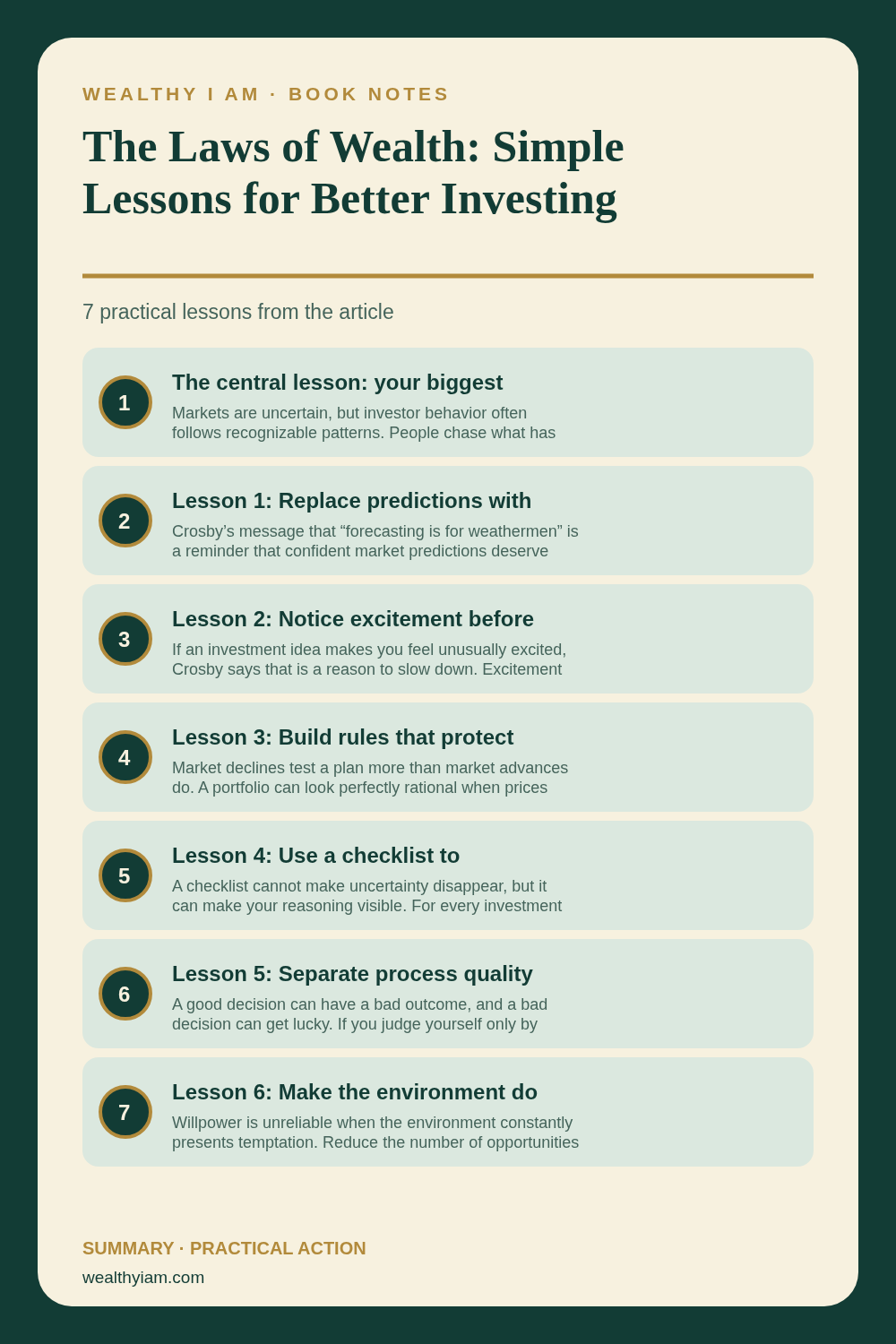
Lesson 1: Replace predictions with preparation
Crosby’s message that “forecasting is for weathermen” is a reminder that confident market predictions deserve skepticism. Even experts regularly disagree, and the future can invalidate a persuasive story without warning.
- Write down what the money is for and when you may need it.
- Build an allocation that reflects that time horizon and your ability to tolerate loss.
- Keep emergency cash separate from long-term investments.
- Decide in advance how often you will review and rebalance.
Preparation is more dependable than prediction. Instead of asking what the market will do next month, ask whether your portfolio and cash reserves can support your real life if the market does something unpleasant.
Lesson 2: Notice excitement before acting
If an investment idea makes you feel unusually excited, Crosby says that is a reason to slow down. Excitement can signal a compelling opportunity, but it can also indicate social proof, fear of missing out, or a story that is outrunning the evidence.
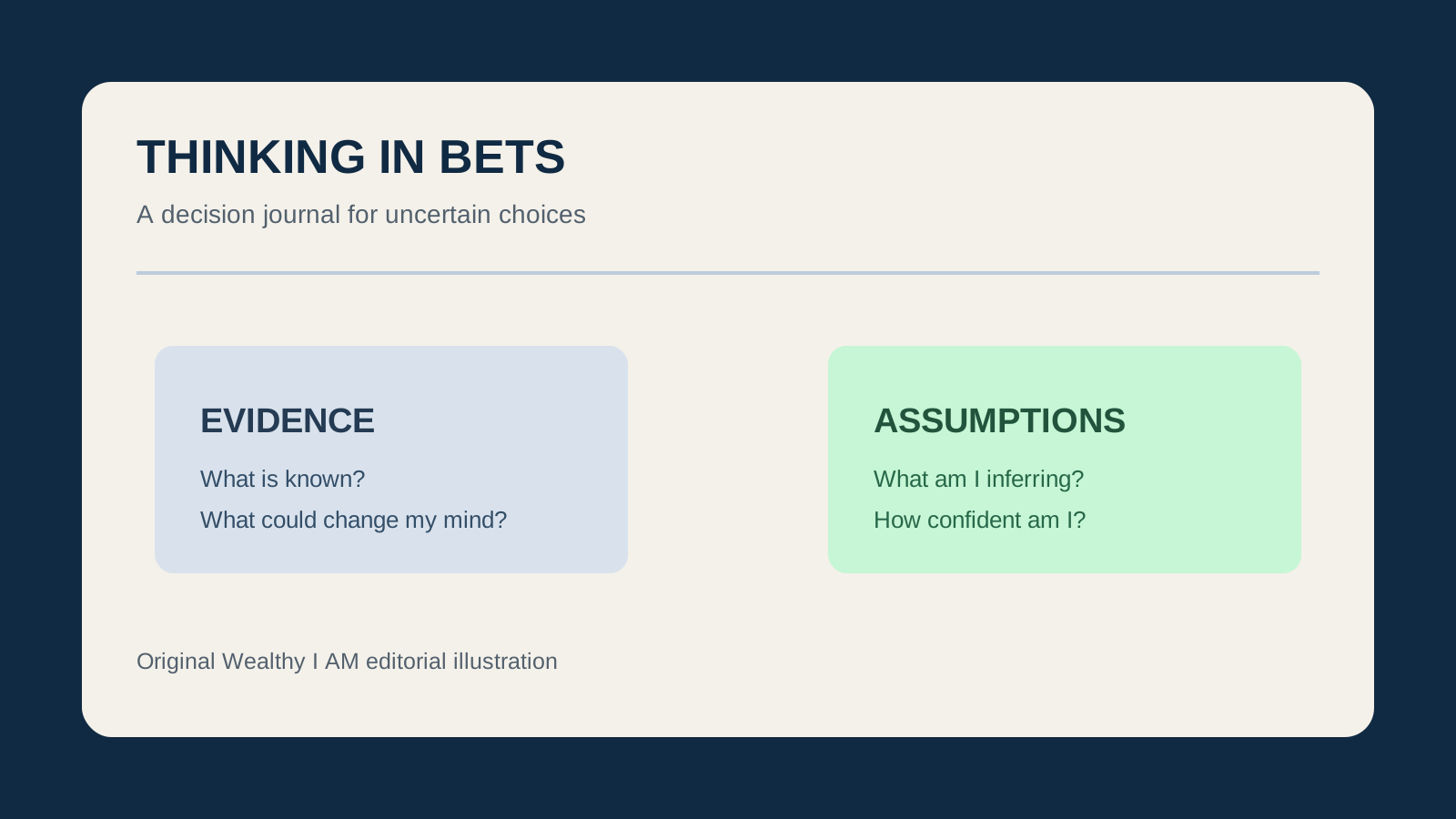
Create a cooling-off rule. For any non-routine investment, wait 24 or 48 hours, write down the thesis, identify the downside, and list what evidence would prove you wrong. If the idea still fits your plan after the excitement fades, it deserves further research. If not, you may have avoided an impulse rather than missed a fortune.
Lesson 3: Build rules that protect you from panic
Market declines test a plan more than market advances do. A portfolio can look perfectly rational when prices are rising; the real question is whether you can keep holding it when the news is alarming and your account balance is falling.
Before investing, define your response to a decline. You might commit to making no allocation changes based solely on a news headline, continue automatic contributions, or rebalance only at scheduled intervals. The exact rule matters less than having one before fear arrives. A written policy gives your future self something steadier than a live television segment.
Lesson 4: Use a checklist to expose bias
A checklist cannot make uncertainty disappear, but it can make your reasoning visible. For every investment decision, answer:
- What is the purpose and time horizon of this money?
- What evidence supports the decision beyond a recent price move?
- What fees, taxes, concentration, and liquidity risks are involved?
- Am I buying because of analysis or because other people are enthusiastic?
- What would make me change my mind?
- How large can the position be without damaging my financial life?
Writing answers slows down intuitive reactions and creates a record you can review later. The goal is not to sound certain. It is to distinguish a reasoned decision from a mood.
Lesson 5: Separate process quality from short-term results
A good decision can have a bad outcome, and a bad decision can get lucky. If you judge yourself only by the latest result, you may reward speculation and punish discipline. Crosby’s behavioral approach encourages investors to evaluate whether they followed a sensible process.
Keep an investment journal with the date, thesis, expected risks, position size, and decision rule. Review it at regular intervals, not only after a win or loss. Ask whether the decision was diversified, affordable, evidence-based, and consistent with the plan. This builds judgment without confusing luck with skill.
Lesson 6: Make the environment do some of the work
Willpower is unreliable when the environment constantly presents temptation. Reduce the number of opportunities to sabotage yourself: automate contributions, use diversified default options when appropriate, mute unnecessary market alerts, and limit portfolio checking to a scheduled routine.
Design friction around harmful actions. A cooling-off period, a second-person review, or a written checklist can interrupt the moment when anxiety or greed feels like urgency. At the same time, make good actions easy: keep savings transfers automatic and your investment policy accessible.
Lesson 7: Use conviction carefully
Conviction is useful when it means understanding your strategy and sticking with it. It becomes dangerous when it means refusing to learn. A disciplined investor can hold a long-term view while remaining open to new evidence, changing circumstances, and the possibility of error.
Distinguish between conviction in a process and certainty about an outcome. You can believe that diversification, low costs, and a long horizon are sensible without pretending to know which company or asset will lead next. Humility is not indecision; it is risk management.
A seven-day behavioral reset
- Day 1: Write your goals, time horizons, and emergency-cash target.
- Day 2: List every investment and its role in your plan.
- Day 3: Record fees, concentration, and liquidity concerns.
- Day 4: Draft three rules for market declines and exciting opportunities.
- Day 5: Automate one beneficial action and remove one unnecessary alert.
- Day 6: Create a one-page investment checklist.
- Day 7: Schedule a quarterly review focused on process, not predictions.
Bottom line
The Laws of Wealth shifts the investor’s attention from finding perfect forecasts to managing imperfect human behavior. Prepare instead of predicting. Slow down when excitement spikes. Write rules before panic. Diversify, control costs, and judge decisions by process as well as outcome. These habits do not make markets certain, but they can make your behavior more consistent—and consistency is one of the most valuable advantages a long-term investor can build.
Sources & credit
- Amazon.com product page — matched U.S. product listing for Daniel Crosby’s book.
- MIT Press Bookstore bibliographic page — author, publisher, ISBN, edition, and book overview.
- Pan Macmillan author/publisher page — publisher reference.
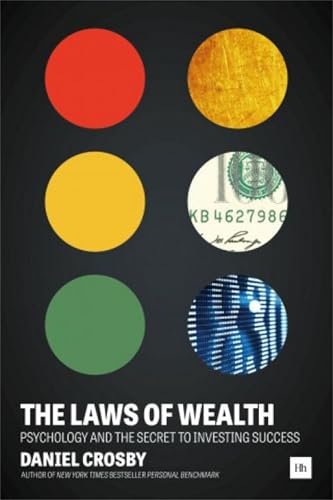
- Cover image: Amazon.com product image for ISBN 0857195247; matched to The Laws of Wealth and credited to the publisher/rightsholder.
Wealthy I AM Action Card
Wealthy I AM Pinterest Copy
TITLE
The Laws of Wealth: Simple Lessons for Better Investing Behavior
DESCRIPTION
Helaine Olen and Harold Pollack’s The Index Card turns personal finance into a simple, repeatable system for saving, debt, investing, housing, advice, and.
KEYWORDS
The Laws of Wealth book summary, Laws Wealth lessons, personal development, wealth building, productivity books
ALT TEXT
Wealthy I AM visual summary of The Laws of Wealth: Simple Lessons for Better Investing Behavior
ARTICLE URL
https://nappot.com/laws-of-wealth-simple-lessons-better-investing-behavior/