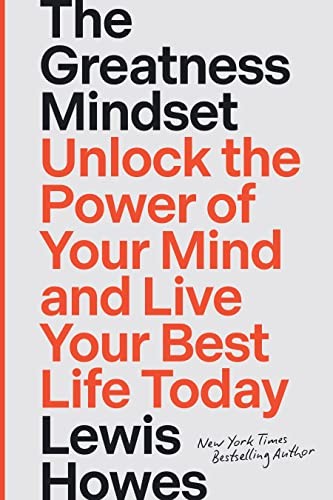
Many people know they want a better life, but struggle to turn that desire into consistent action. The Greatness Mindset by Lewis Howes approaches that gap from the inside out: clarify what matters, challenge the stories that keep you small, and build daily evidence that you can move toward a meaningful mission.
Published in 2023, this personal-growth book is especially relevant to wealth because financial progress rarely depends on one dramatic decision. It grows from confidence, useful skills, disciplined habits, and the courage to keep acting when the outcome is not guaranteed. Howes combines personal stories, reflective exercises, and practical mindset strategies to help readers replace self-doubt with purposeful progress.
What The Greatness Mindset is really about
The book’s central idea is that greatness is not reserved for a lucky or unusually gifted few. It is developed by choosing a direction, understanding the beliefs that shape behavior, and practicing actions aligned with the person you want to become. Howes calls readers toward a meaningful mission rather than a shallow performance of success.
That distinction matters for wealth building. A mission gives your work a reason to persist; a stronger identity makes good financial habits easier to repeat; and a useful contribution creates a clearer path to earning. The book is not an investing manual or a promise of instant abundance. It is a framework for becoming more intentional about the person, work, and value you are building.
Seven practical lessons from the book
1. Define a meaningful mission
A vague goal such as “make more money” is difficult to use when making everyday choices. A meaningful mission is more specific: whom do you want to help, what problem do you want to solve, and why does that contribution matter? Write one sentence that connects your strengths to a real need. Then use it as a filter for opportunities, clients, learning, and spending.
A clear mission does not guarantee income, but it helps you focus effort where your motivation can survive ordinary setbacks. It also makes your work easier to explain, which strengthens trust and professional positioning.
2. Identify the story behind your self-doubt
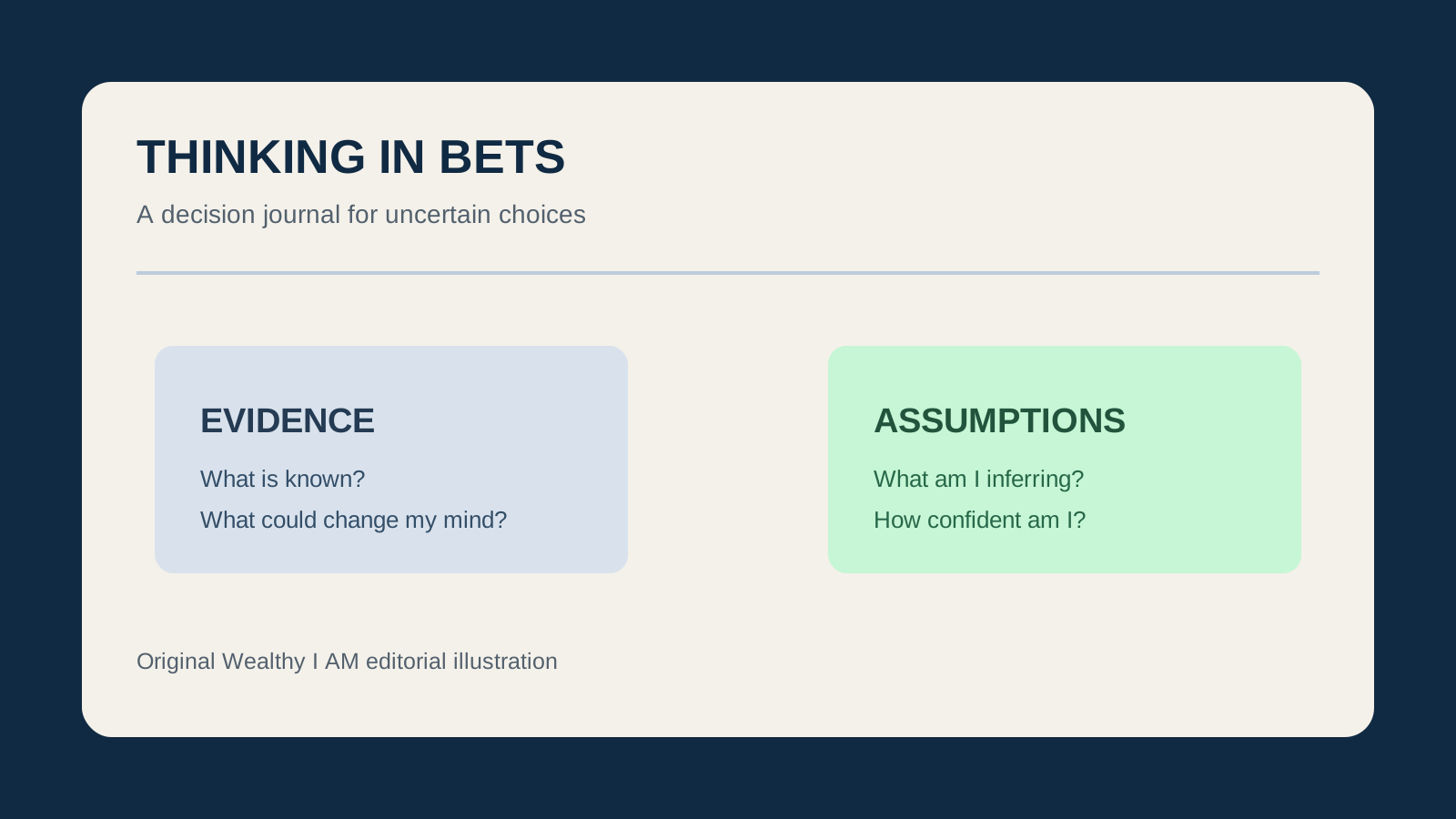
Self-doubt often sounds like a fact: “I am not qualified,” “people like me do not build wealth,” or “I always fail.” Howes encourages readers to examine where these beliefs came from instead of obeying them automatically. List one belief that limits your progress, the evidence you use to support it, and evidence that complicates it.
Use this exercise responsibly. Reframing a belief is not pretending that risk, inequality, or a skill gap does not exist. It is separating a real obstacle from a permanent identity. Once the obstacle is named, you can learn, ask for help, or choose a smaller next step.
3. Turn confidence into evidence
Confidence is more durable when it is earned through action. Choose a tiny promise you can keep for the next seven days: study for twenty minutes, contact one prospective customer, review your spending, or publish one useful piece of work. Track completion rather than mood.
Each kept promise becomes evidence that you can trust yourself. Over time, that evidence supports larger commitments. In financial life, the same principle can mean automating a modest saving transfer, paying an extra amount toward high-interest debt, or reviewing investments on a calm schedule rather than reacting to headlines.
4. Make your strengths useful to other people
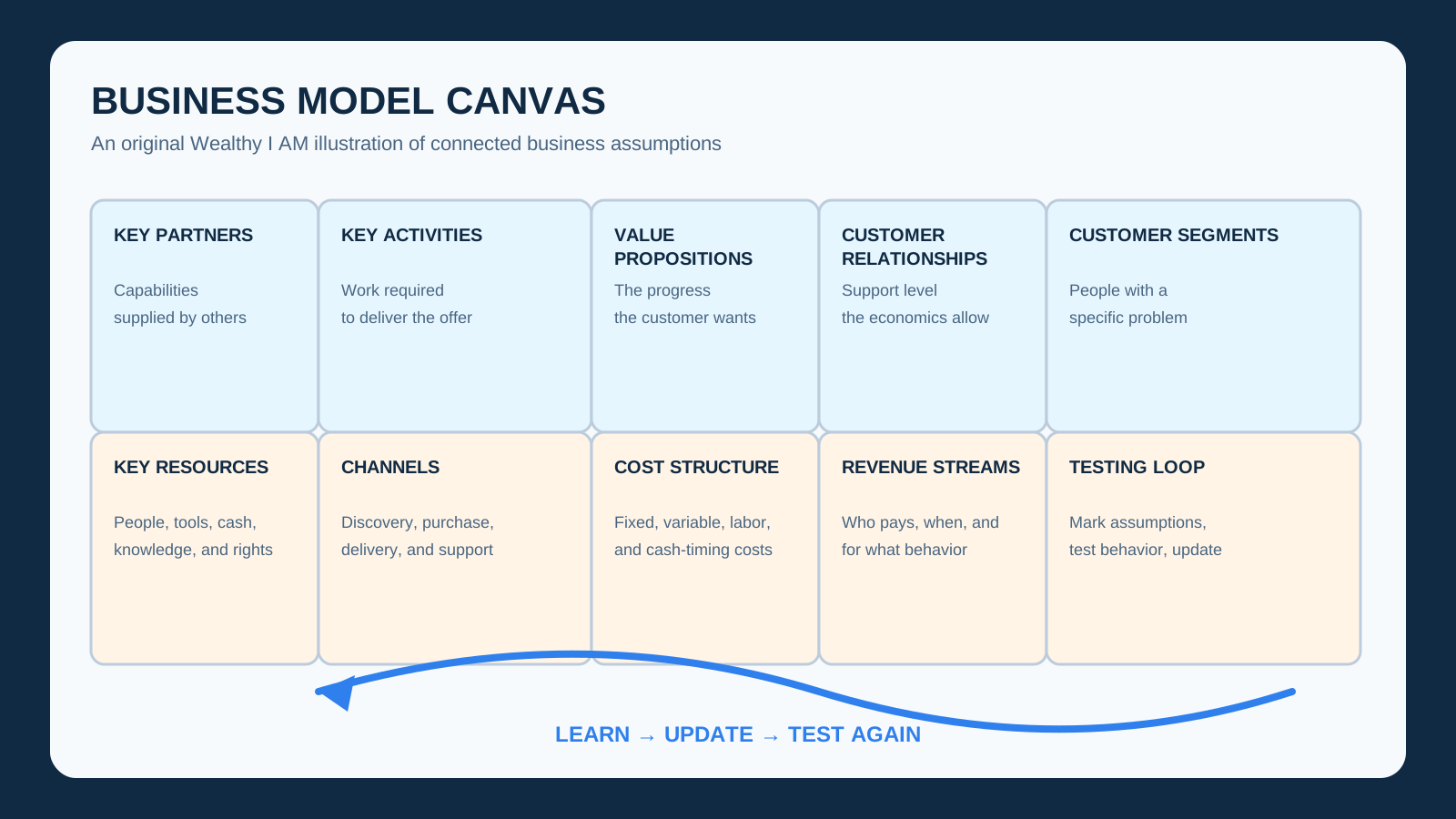
Passion alone is not a business model. A strength becomes economically valuable when it solves a problem that someone recognizes and is willing to support. Ask three people what they find difficult in an area you understand. Look for repeated language, then design a small service, guide, product, or experiment around the clearest need.
This approach connects personal growth with value creation. You do not need to discover a perfect calling before beginning. You can learn what your strengths are worth by helping real people and listening carefully to their results and feedback.
5. Protect your attention from comparison
Comparison can make a healthy journey feel like failure. Social feeds display outcomes without showing the years, support, trade-offs, or uncertainty behind them. Replace comparison with a scoreboard you control: skills practiced, promises kept, savings rate, debt reduced, customer problems solved, or meaningful conversations held.
This is not an excuse to ignore useful benchmarks. It is a reminder to compare deliberately. Study people who can teach you something, but do not borrow their timeline or define your worth by their visible lifestyle.
6. Design a personal environment that supports growth
Willpower is unreliable when your surroundings constantly cue distraction or impulsive spending. Make the desired action easier: keep learning materials visible, schedule focused work, remove shopping triggers, and place automatic transfers between income and discretionary money.
Also choose relationships that allow honest ambition without requiring a performance. A supportive environment does not mean avoiding disagreement; it means receiving feedback that helps you improve rather than criticism that keeps you frozen.
7. Measure success by contribution and alignment
Howes repeatedly connects achievement with impact and authenticity. Use that idea to broaden your definition of wealth. Ask whether your income, calendar, health, and relationships are moving in a direction you actually value. A larger number is not automatically a better life if it requires abandoning every priority that made the number meaningful.
A practical monthly review can include four questions: What value did I create? What did I learn? Which financial choice increased future freedom? What should I stop doing? These questions turn an inspiring mindset into a feedback loop.
A simple seven-day implementation plan
- Day 1: Write your meaningful mission and name the people you want to help.
- Day 2: Identify one limiting belief and test it against actual evidence.
- Day 3: Keep one small promise that advances a skill or financial goal.
- Day 4: Interview two people about a problem you may be able to solve.
- Day 5: Remove one attention or spending trigger from your environment.
- Day 6: Share useful work and request specific feedback.
- Day 7: Review the week, record the evidence of progress, and choose one repeatable habit for the next month.
Final takeaway
The Greatness Mindset is most useful when read as an invitation to practice purposeful growth, not as a guarantee of wealth. Its strongest lesson is that a meaningful future is built through repeated choices: understand your story, develop valuable capabilities, serve real needs, and make your environment support the behavior you want. Pair that mindset with sound budgeting, risk awareness, and long-term investing principles, and personal growth can become a practical foundation for financial progress.
Sources and credits
- Penguin Random House — official book page (title, author, publication and description details).
- The Greatness Mindset — author’s official site (book framework and author information).
- Amazon.com product page (verified U.S. product listing).
- Cover credit: Open Library cover record for the verified ISBN edition.
Book discussion for educational purposes only; this article is not personalized financial advice.