Starting a company can feel like a freedom project: you have an idea, a little momentum, and the hope that ownership will eventually create both impact and wealth. Yet many founders spend more time perfecting the product than deciding how they will work with the people around them. That can be expensive. A rushed equity split, an unclear role, or an unspoken difference in ambition can damage a promising venture long before the market gets a vote.
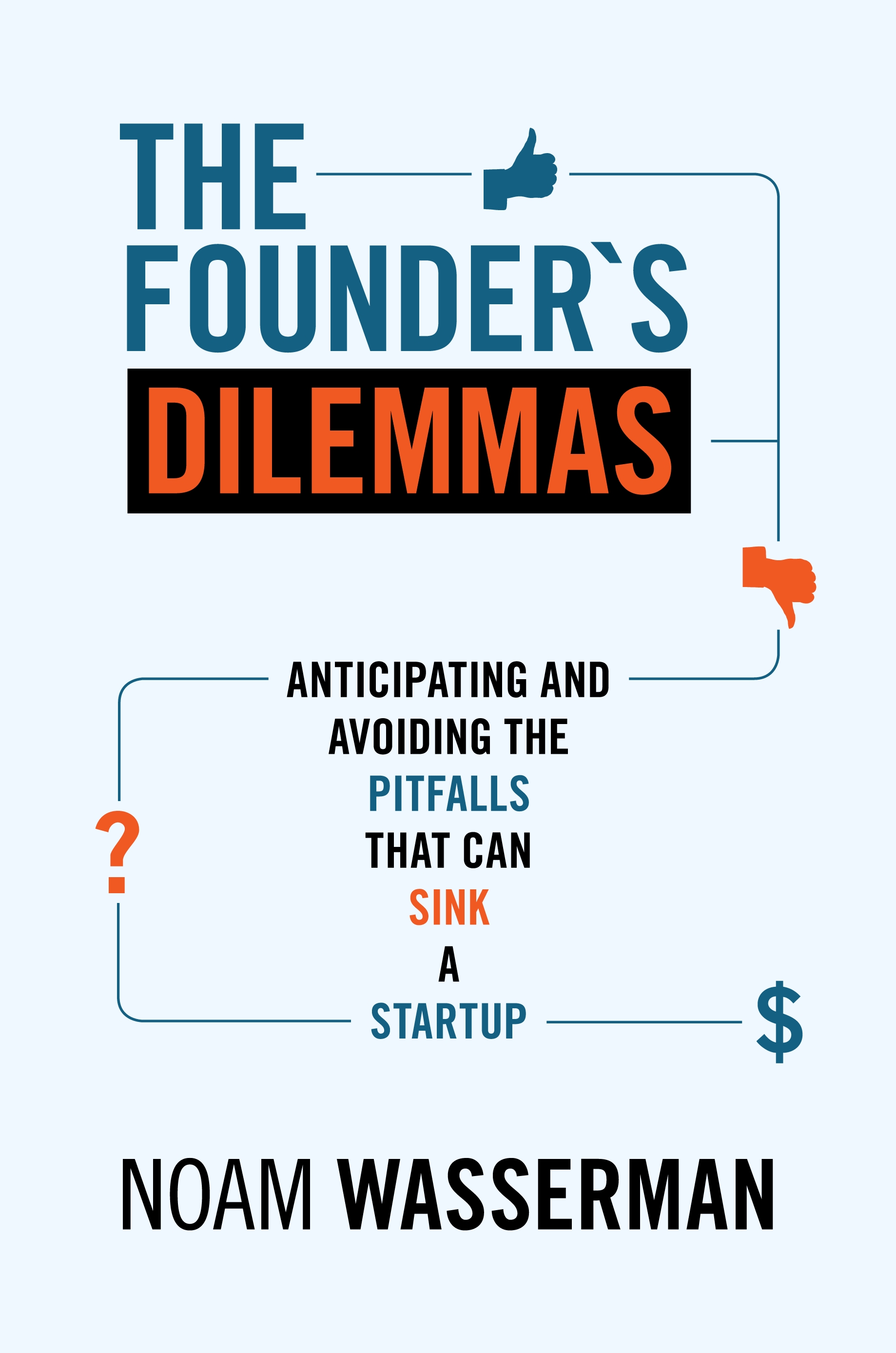
In The Founder’s Dilemmas: Anticipating and Avoiding the Pitfalls That Can Sink a Startup, Noam Wasserman examines those early choices through startup research and founder stories. His central message is not that there is one perfect arrangement. It is that every choice trades something valuable for something else: control for resources, speed for alignment, and short-term harmony for long-term clarity. For entrepreneurs, learning to make those trade-offs deliberately is a wealth skill.
Book facts
- Author: Noam Wasserman
- Original publication: 2012
- Publisher: Princeton University Press
- Focus: Founders, cofounders, equity, control, hiring, financing, and leadership transitions
Why founder decisions become wealth decisions
A startup is a bundle of contracts, relationships, and expectations. The founder may think, “We will work it out later,” but later usually arrives after money, status, and pressure have entered the room. At that point, a casual promise can become a perceived entitlement. Wasserman’s research-based approach makes these tensions visible early, when they are still easier to discuss.
The book also challenges a common assumption: the person who starts a company should automatically keep the largest share and the final say forever. Sometimes that is sensible. Sometimes a venture needs a partner with critical expertise, a leader who can scale operations, or capital that changes the size of the opportunity. The right answer depends on the company’s needs and the people’s contributions—not merely on who had the first idea.
Five practical lessons from the book
1. Decide what you value before negotiating
Founders often say they want both maximum control and maximum growth. Those goals can conflict. Before discussing ownership, write down your priorities. Do you want to remain CEO? Is financial upside more important than decision authority? How much risk can you tolerate? What kind of company are you trying to build?
Action step: Make a two-column list labeled “I will trade” and “I will not trade.” Review it with your prospective partners. This turns vague emotion into a useful starting point.
2. Choose partners for durable fit, not just chemistry
A friend may be trustworthy and still be a poor cofounder. The question is not simply whether you like each other. It is whether your skills, time commitments, ambition, financial needs, and decision styles fit the work ahead. Complementary strengths can matter more than identical personalities.
Action step: Discuss uncomfortable scenarios before committing: one person wants to raise capital, the other does not; one wants to sell, the other wants to continue; one stops contributing. Put the answers in writing. A difficult conversation now is cheaper than a crisis later.
3. Treat equity as a tool, not a friendship test
An equal split can feel fair because it avoids an awkward conversation. But equal does not always mean equitable. Contributions may differ in time, cash, intellectual property, risk, or future responsibility. On the other hand, a larger percentage should be tied to a clear reason rather than used as a permanent reward for confidence or seniority.
Action step: List each person’s expected contribution and the assumptions behind it. Consider vesting, milestones, and a process for revisiting roles. Get qualified legal and tax advice before signing documents; a book is not a substitute for professional counsel.
4. Build incentives that match the future
People respond to the rewards built into a system. A salesperson paid only for bookings may chase low-quality customers. A founder with all authority but no accountability may resist needed change. A team member promised equity without clear terms may feel misled later.
Action step: For every important role, ask: What behavior does this arrangement reward? What behavior might it accidentally encourage? Align pay, ownership, decision rights, and performance measures with the company’s next stage.
5. Plan leadership transitions before you need them
Founders often assume that passion automatically scales into management ability. It may not. The skills required to discover a product are different from those needed to lead a growing organization. Replacing or changing a founder’s role can feel like betrayal, but refusing to address a capability gap can destroy more value.
Action step: Define the responsibilities of the CEO role for the next 12–18 months. Agree on measurable signals of success and a fair review process. A transition plan protects both the company and the founder’s long-term options.
A simple founder decision process
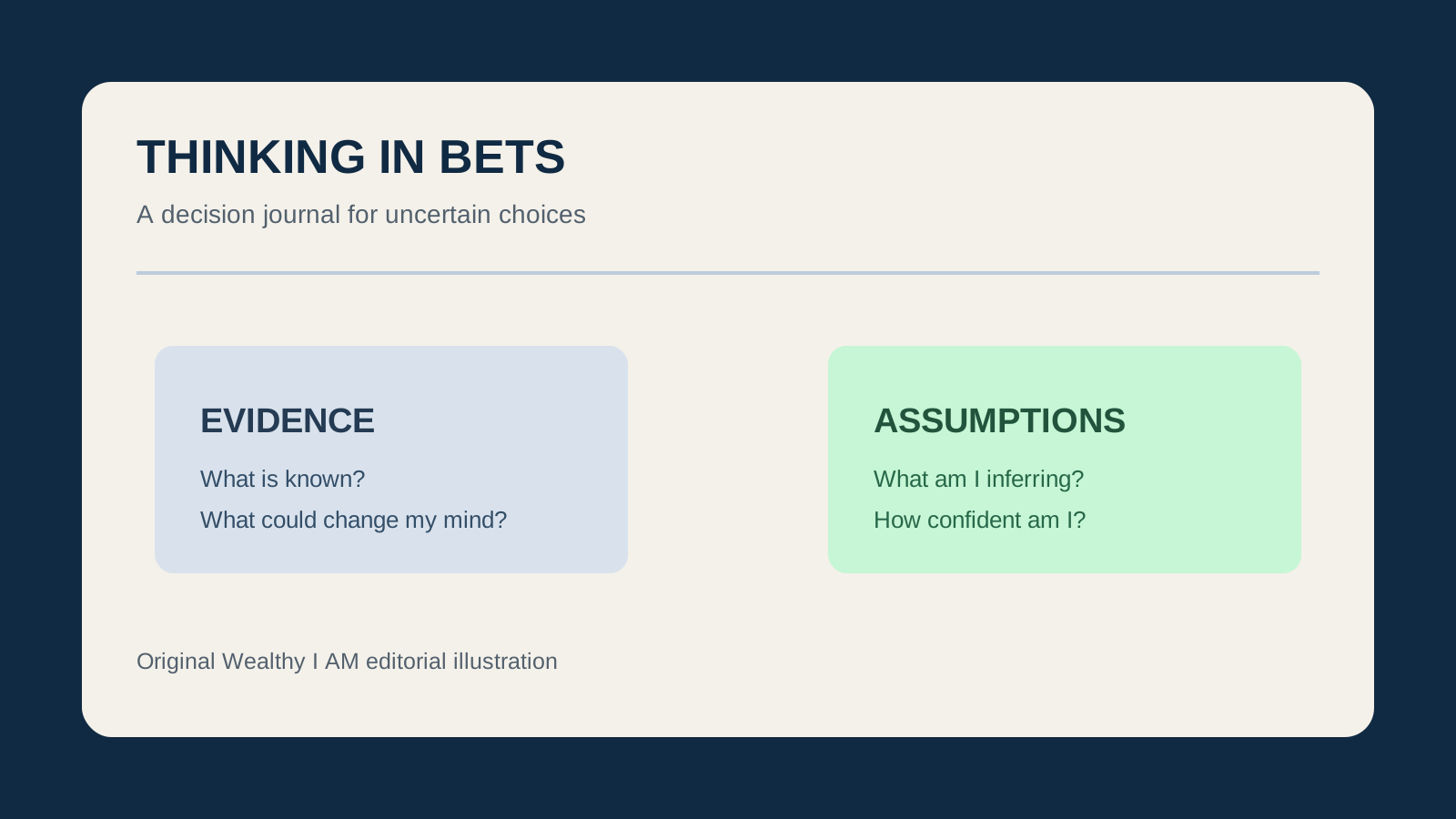
Use this four-part checkpoint whenever the business reaches a major fork. First, name the decision clearly: “Should we add a cofounder?” is better than “We need more help.” Second, identify the competing values—control, speed, expertise, capital, stability, or upside. Third, write down the assumptions behind each option and test the most fragile ones. Finally, choose a review date. Decisions improve when they are treated as designed experiments rather than irreversible guesses.
This process is useful beyond startups. It applies to partnerships, family businesses, side projects, and even career decisions. Wealth grows more reliably when the structures around it are clear. Ownership without alignment can create stress; alignment without a fair ownership model can create resentment. Good design reduces both.
What readers should remember
The Founder’s Dilemmas is a warning against postponing the human decisions that shape a business. Its practical value comes from making trade-offs discussable. You do not need to predict every future problem. You do need to ask better questions while trust is high, options are open, and the cost of changing course is still manageable.
The wealth lesson is straightforward: protect the value you are trying to create. Choose partners deliberately, document expectations, match incentives to outcomes, and stay open to leadership that serves the company’s next stage. A strong idea matters. A strong decision structure gives that idea a better chance to become a durable asset.
Sources and credits
- Harvard Business School: The Founder’s Dilemmas
- Princeton University Press book page
- Amazon.com product page (ISBN 9780691158303)
- Cover credit: Princeton University Press, ISBN 9780691158303. Educational commentary; not financial or legal advice.