Wealth is built by creating value, earning trust, and helping the right people move toward a better future. That is why leadership belongs in any serious conversation about money. You can have a brilliant product, a careful investment plan, or a valuable skill, but progress accelerates when people understand the idea and choose to participate.
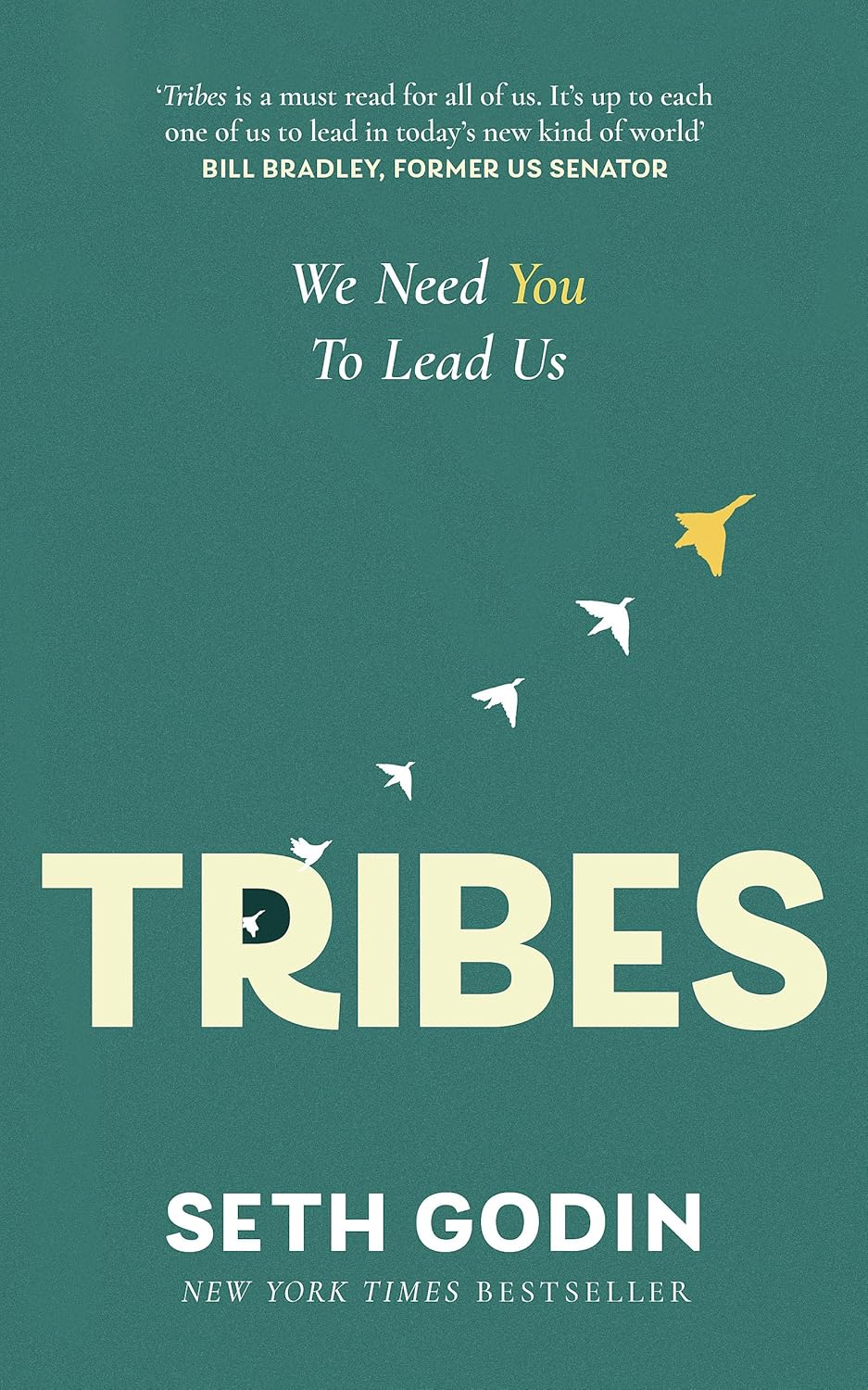
In Tribes: We Need You to Lead Us, Seth Godin makes a simple but powerful case: a tribe is a group connected to one another, connected to a leader, and connected to an idea. Leadership is not reserved for CEOs or celebrities. It can begin with one person who sees a problem, cares about a possibility, and is willing to invite others into meaningful change. For entrepreneurs and professionals, that invitation can become a community, a business, a career advantage, and a durable source of value.
The central wealth lesson: lead an idea, not just a product
Godin’s argument is especially useful for anyone trying to build something. A product is what you sell; an idea is why people care. A community forms when people recognize themselves in a shared purpose and believe that joining will help them contribute, learn, belong, or make progress.
This does not mean manufacturing hype or manipulating an audience. It means becoming clear about the change you want to create. A financial educator may want families to feel calm and capable with money. A founder may want to make a painful task simpler. A professional may want to help a neglected group solve an expensive problem. The idea gives the work direction; the tribe gives it momentum.
Lesson 1: Choose a change worth leading
Leadership starts before the logo, funnel, or business plan. Write one sentence answering: What should be different because this work exists? Make it concrete enough to guide decisions. “Help people get rich” is too vague. “Help first-time business owners turn irregular income into a dependable cash system” is more useful.
Then identify the people who feel the problem most sharply. Wealth grows when you solve a real problem for a specific group, not when you attempt to please everyone. Interview potential members, read their questions, and notice the language they use. Their words can reveal both the need and the promise your work should address.
Lesson 2: Define the tribe’s shared identity
A tribe is more than a list of followers. Members need a reason to recognize one another. Give your community a clear point of view, a useful vocabulary, and standards that make participation meaningful. A small-business group might stand for honest pricing, customer-funded growth, and disciplined cash management. An investing community might value diversification, patience, and evidence over predictions.
Shared identity can make an audience more resilient than a one-time transaction. Customers who understand the mission are more likely to return, recommend the work, and offer feedback. Employees who understand the purpose can make better decisions without waiting for constant instructions. In each case, clarity reduces friction and increases the value created by every interaction.
Lesson 3: Connect members to one another
One of Godin’s most important ideas is that the leader’s job is not simply to broadcast. It is to create connections. Ask how members can learn from each other, celebrate progress, and solve problems together. That might be a monthly workshop, a thoughtful email prompt, a peer group, a customer forum, or a recurring question that invites useful responses.
Start small and make the connection practical. Introduce two people who have complementary skills. Share a member’s case study. Invite customers to show how they used a product. When people receive value from the network—not only from you—the community becomes an asset that can compound over time.
Lesson 4: Lead with consistency and generosity
Trust is built through repeated evidence. Publish useful ideas on a dependable schedule. Keep promises. Explain decisions. Admit what you do not know. Give people a next step they can actually take. A leader who only appears when selling teaches the tribe to remain distant; a leader who consistently helps people make progress earns attention and credibility.
Generosity is not the same as giving away everything. It means designing every interaction to create a fair exchange of value. Teach a principle, provide a checklist, answer a real question, or point someone toward a better resource—even when the immediate reward is uncertain. Over time, useful work creates reputation, and reputation lowers the cost of future opportunities.
Lesson 5: Invite participation, not passive consumption
People support what they help shape. Give members choices, responsibilities, and ways to contribute. Ask for feedback before a launch. Let early users test a service. Encourage experienced members to mentor newcomers. Highlight progress publicly, while protecting people from pressure to perform or conform.
Participation also improves the business. Members reveal objections earlier, suggest improvements, and show which outcomes matter. This feedback can prevent wasted spending and help you invest resources where they have the greatest effect. The tribe is therefore not only a marketing channel; it is a learning system.
Lesson 6: Turn leadership into a practical wealth system
Translate the idea into a weekly operating rhythm:
- Clarify the promise. Write the change your work is committed to creating and the person it serves.
- Listen for evidence. Have three conversations each week with customers, colleagues, or community members about their goals and obstacles.
- Create one useful asset. Publish a guide, example, tool, lesson, or case study that helps the tribe take action.
- Strengthen one connection. Introduce members, facilitate a discussion, or invite a contribution.
- Measure value, not vanity. Track completed outcomes, referrals, retention, revenue quality, and learning—not only views or follower counts.
- Review and improve. At the end of the week, ask what created genuine progress and what should be stopped.
This rhythm turns leadership from a personality trait into a repeatable practice. It also protects wealth-building from a common mistake: confusing attention with value. A large audience can be fragile; a focused group that trusts your work, takes action, and receives results is much more economically meaningful.
A balanced way to apply the book
Tribe-building has risks. Belonging can become tribalism, confidence can become pressure, and a charismatic leader can discourage independent thought. Keep the mission open to scrutiny. Welcome respectful disagreement. Protect member privacy. Make claims carefully, especially when money is involved. The strongest communities do not demand blind loyalty; they help people become more capable.
The lasting takeaway from Tribes is an empowering one: you do not need permission, a massive budget, or a formal title to begin leading. You need a worthwhile change, a clear group of people to serve, and the courage to connect them around an idea. Build trust one useful interaction at a time, and your leadership can compound into stronger relationships, better opportunities, and wealth that is grounded in value rather than noise.
Sources and credit
- Godin, Seth. Tribes: We Need You to Lead Us. Portfolio, 2008. ISBN 9781591842330.
- Book details and publisher description: Penguin Random House.
- Edition record: Google Books.
- Cover credit: matched Amazon.com product page for Tribes: We Need You to Lead Us.