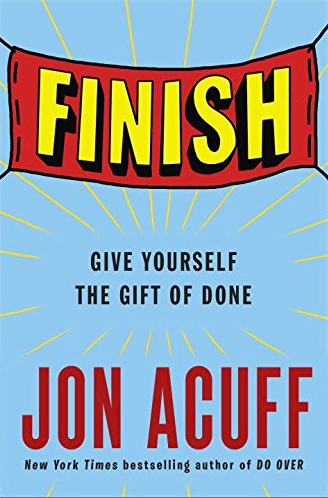
Finish: Give Yourself the Gift of Done by Jon Acuff is a practical book for people who start with enthusiasm but struggle to reach the end. Its central argument is reassuring: the obstacle is often not laziness. It is perfectionism—the belief that a project only counts if every part is excellent.
That idea matters for wealth building. A business launch, a new skill, a savings plan, or a career change rarely becomes valuable because of one perfect day. It becomes valuable because someone keeps moving after an ordinary, disappointing, or imperfect day. Acuff’s approach is to lower unnecessary pressure so consistent action becomes possible.
Book facts
| Author | Jon Acuff |
|---|---|
| Publisher | Portfolio |
| U.S. ISBN | 978-1591847625 |
| Publication | September 12, 2017 (hardcover edition) |
| Core subject | Overcoming perfectionism and finishing meaningful goals |
The big idea: perfectionism quietly changes the rules
Perfectionism sounds like high standards, but Acuff shows how it can become an escape route. We begin with a reasonable goal—save every month, publish a service, exercise regularly—and then add private conditions: never miss, never make a mistake, never produce anything average, and never need to revise.
Those secret rules make a goal so demanding that one imperfect result feels like proof of failure. The common reaction is to stop. Acuff calls the vulnerable moment “the day after perfect”: the point after an unusually strong start when normal performance looks disappointing by comparison.
For money and work, this distinction is important. A budget that survives a messy month is more useful than a flawless budget abandoned after one surprise expense. A small business that improves through customer feedback is more valuable than an ideal business idea that never reaches the market.
Four lessons that translate into wealth building
1. Choose what to bomb
You cannot give maximum attention to everything at once. Decide in advance which low-value area may be merely adequate while you protect your most important financial or business priority. This is not neglect; it is resource allocation.
2. Cut the goal in half
When a target is so large that it invites avoidance, reduce its size until starting feels realistic. A smaller weekly savings transfer, a shorter study session, or a simpler first offer can create momentum and evidence.
3. Make progress enjoyable
Enjoyment is not the enemy of discipline. If the process is tolerable—or even fun—you are more likely to return to it. Pair a learning session with a favorite coffee, or make financial reviews a visible progress ritual.
4. Prefer done to endlessly polished
Completion creates feedback. Feedback improves the next version. In entrepreneurship, a useful offer tested with real customers teaches more than months of private perfection.
A step-by-step “finish” plan
- Name one outcome. Write a result that would improve your financial life, such as building a $1,000 emergency reserve, completing a certification, or making your first ten sales.
- Set a minimum version. Define the smallest version that still counts. The first version of a service might be one clear package, one price, and one way for a customer to contact you.
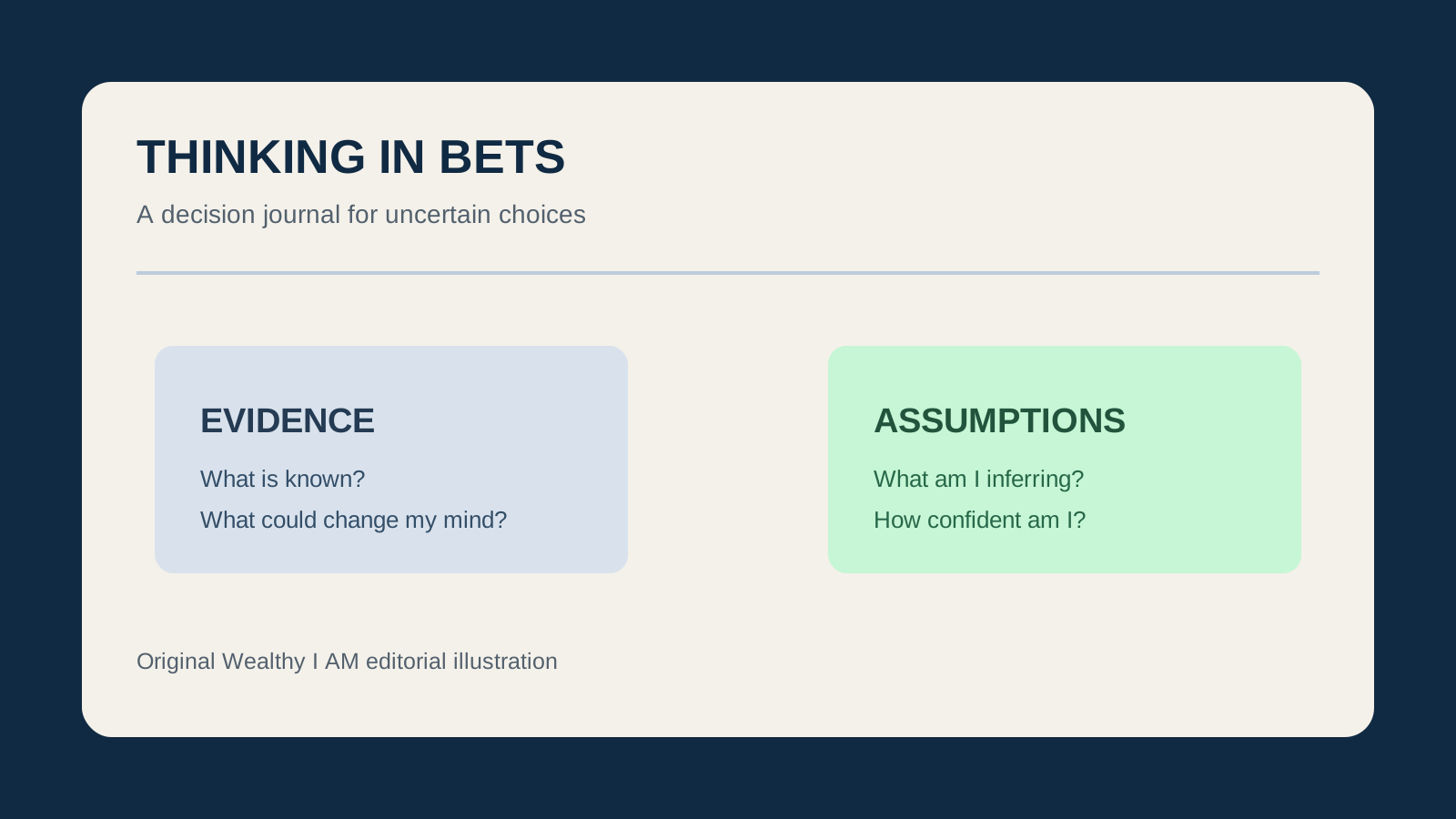
- List the hidden rules. Ask, “What am I telling myself must happen before this goal is valid?” Remove rules that are preferences disguised as requirements.
- Plan for the bad day. Decide what you will do when time, energy, or motivation drops. A five-minute review or a $10 transfer keeps the identity of a finisher alive.
- Choose a deliberate trade-off. Identify one task, channel, or upgrade you will postpone so the important result gets protected attention.
- Track lead actions. Record behaviors you control—calls made, pages studied, dollars transferred, offers sent—not only distant outcomes.
- Ship, review, and adjust. Put the work in front of a real person, inspect what happened, and improve the next cycle. Do not confuse revision with failure.
How to use the lesson without lowering your standards
“Good enough” does not mean careless. It means the quality target is appropriate for the stage. A first draft can be rough; a tax filing should be checked carefully. A prototype can be simple; a contract deserves professional review. Acuff’s point is to stop spending premium effort before you know what actually matters.
Use a two-level standard: minimum viable progress for keeping the habit alive and quality gates for decisions where errors are expensive. This protects consistency without treating safety, honesty, or fiduciary responsibility as optional.
There is also a useful emotional lesson. When a plan breaks, replace the question “Why can’t I do this perfectly?” with “What is the next finishable version?” That question turns shame into a practical choice.
What the book gets right—and where to be careful
Acuff is strongest when he exposes all-or-nothing thinking. Wealth is built through repeated behaviors, and repeated behaviors need room for real life. His emphasis on fun, flexibility, and intentional trade-offs makes ambitious goals more sustainable.
The advice should not be used to excuse reckless spending, poor-quality work, or abandoning a commitment that affects other people. Financial goals still need math, risk controls, and appropriate professional advice. The book is a behavior guide, not an investing formula.
Bottom line
Finish: Give Yourself the Gift of Done offers a simple correction to the “try harder” approach: make the goal survivable. Lower the pressure, remove invented rules, accept the ordinary day, and keep producing the next useful version. For anyone building income, skills, savings, or a business, that shift can be the difference between a promising start and a result that compounds.
Sources & credit
- Penguin Random House / Portfolio: Finish by Jon Acuff — bibliographic details and publisher description.
- Google Books: Finish: Give Yourself the Gift of Done — edition and catalog information.
- Amazon.com product page — matched U.S. edition reference.
- Cover image credit: matched Jon Acuff Finish cover artwork from the author’s official store listing; image used for identification and reader reference.