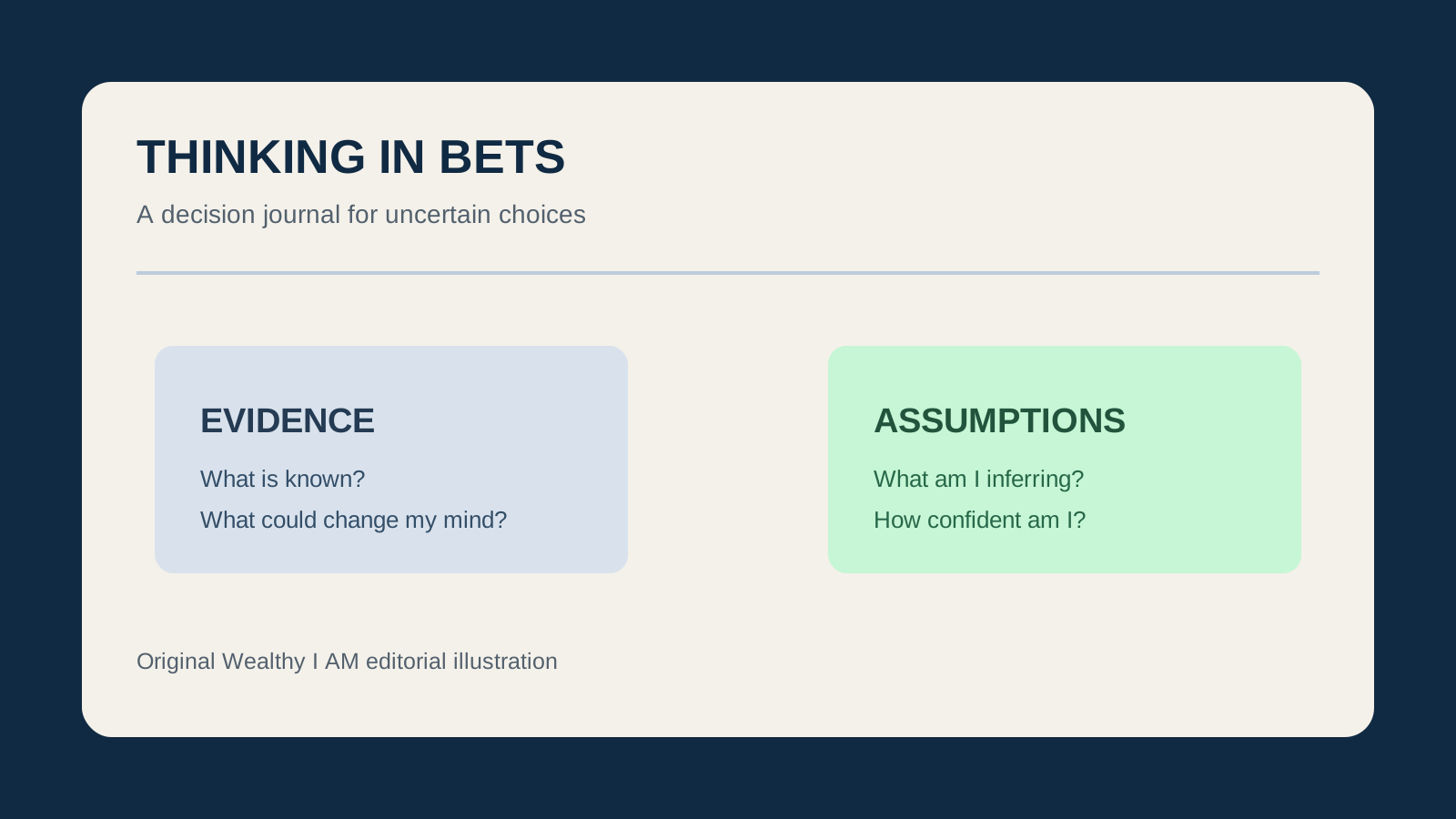
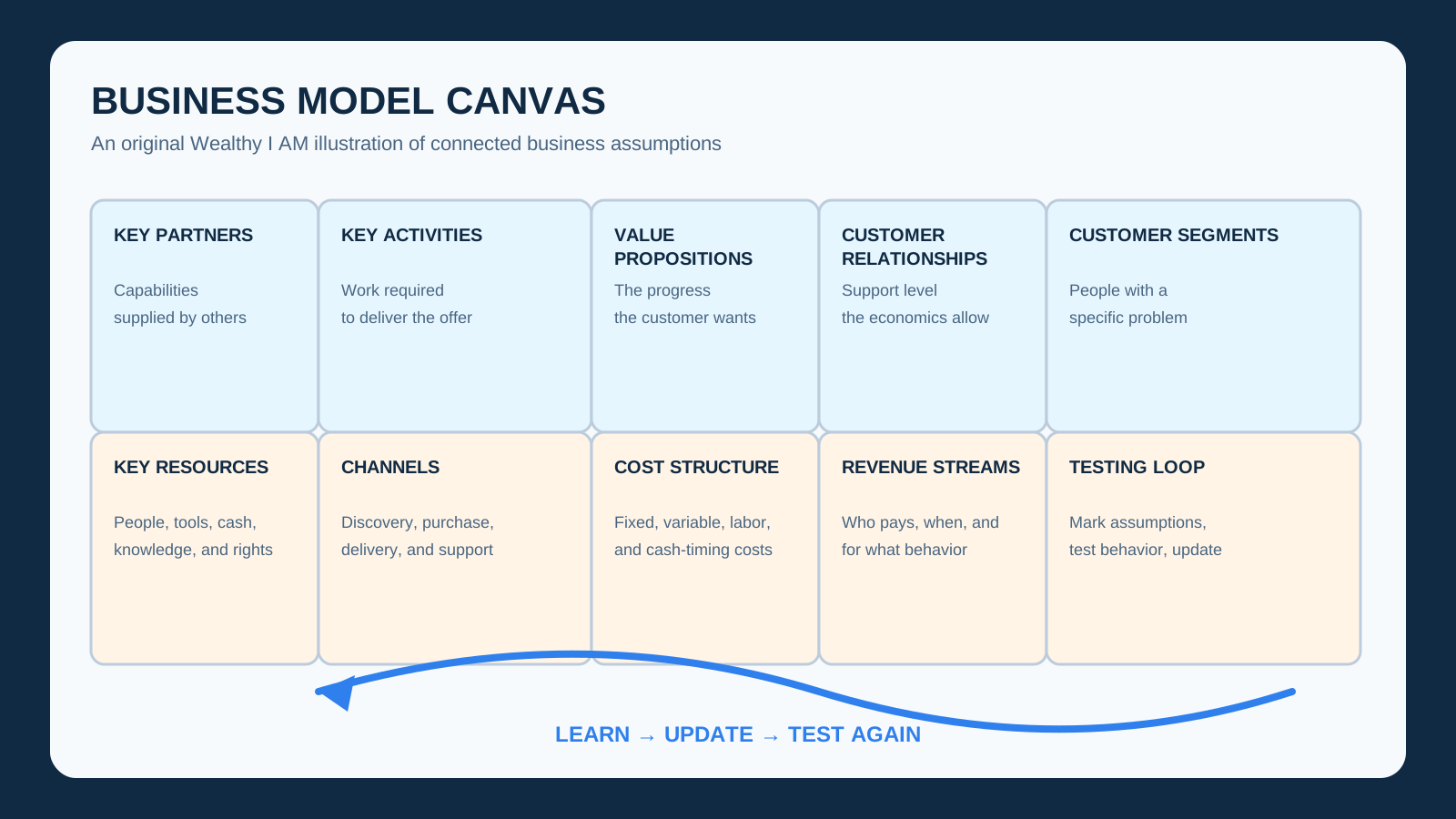
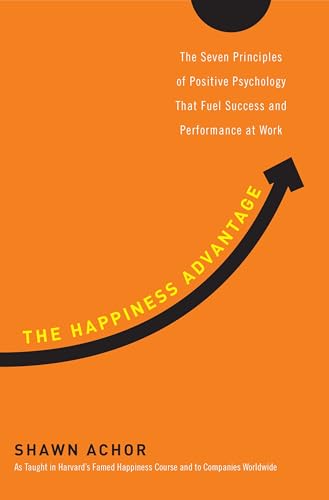
The Happiness Advantage by Shawn Achor begins with a question that can change the way we think about achievement: what if happiness is not only the reward for success, but one of the conditions that helps create it? Instead of waiting for a promotion, a bigger paycheck, or a finished business goal before allowing yourself to feel positive, Achor argues that useful positive habits can improve the way you work now.
That idea matters to wealth building because money is rarely created by one dramatic decision. It is built through repeated learning, clearer thinking, better relationships, useful work, and the resilience to keep going. Happiness, in this book, is not pretending that problems do not exist. It is a practical advantage—a mental and social resource that can help you respond to problems more effectively.
What the book is about
Achor draws on positive-psychology research and his work with organizations to challenge the familiar formula that hard work produces success, and success then produces happiness. His central reversal is that a more positive outlook can improve performance first. When people are less trapped by stress and negativity, they may see more possibilities, think more creatively, solve problems more flexibly, and connect more effectively with other people.
The book develops seven practical principles. They include the idea that our brains can be trained to notice patterns of opportunity, that setbacks can be reframed, that small habits can create momentum, and that social support is not a luxury but a performance asset. The book is optimistic, but its optimism is meant to be practiced rather than merely admired.
Five lessons that stand out
1. Do not make future success your only source of happiness
A common trap is postponing well-being: “I will relax when the business is profitable,” or “I will feel secure when I earn more.” That approach can create an endless finish line. Achor’s alternative is to build small positive experiences into the present while still pursuing ambitious goals. This does not mean lowering standards. It means refusing to make your brain work under a permanent emotional deficit.
For a wealth builder, that can look like celebrating a paid-off balance, enjoying a focused hour of skill practice, or recognizing a useful customer conversation. These moments do not replace results; they help make consistent effort sustainable.
2. Train your attention toward possibility
The book’s “Tetris Effect” principle describes how repeated mental patterns influence what we notice. If you spend every day scanning for evidence that nothing will work, you become very good at finding obstacles. If you deliberately look for openings, lessons, and next steps, you increase the chance of seeing them.
Try a simple end-of-day review: write down three things that went well, then identify one opportunity hidden inside a difficulty. This is not a command to deny bad news. It is a way to keep setbacks from becoming the only data your mind records.
3. Use a small action to create momentum
When a goal feels enormous, waiting to feel motivated can lead to inaction. Achor emphasizes the power of manageable changes. Pick a first move that takes ten minutes: outline an offer, send one thoughtful follow-up, read five pages of a business book, or automate a small transfer to savings.
Small actions reduce the emotional cost of starting. Once movement begins, the goal becomes more concrete, feedback arrives sooner, and confidence can be based on evidence rather than wishes.
4. Treat relationships as productive capital
One of the most valuable lessons is that strong relationships support both well-being and performance. A person who tries to build wealth entirely alone loses access to encouragement, perspective, collaboration, referrals, and honest feedback.
Put this into practice with a weekly relationship investment. Contact one person without asking for a favor, thank someone specifically, or schedule a conversation with a peer who is serious about learning. In business, trust compounds. In personal finance, a supportive environment can also make disciplined choices easier.
5. Reframe setbacks without excusing them
Positive thinking is not the same as declaring every outcome good. A failed launch may involve a poor offer, weak timing, or inadequate follow-up. The useful question is: what part of this result can I learn from, and what can I change next?
After a disappointment, separate facts from the story you are telling yourself. Facts might include the number of responses, sales, or applications. The story might be “I am not capable.” Replace the identity judgment with a process diagnosis, then choose one experiment. That protects your energy while keeping accountability intact.
A practical seven-day experiment
- Day 1 — Define the target: Choose one work, income, or money goal and write why it matters.
- Day 2 — Record three wins: Note three specific things that worked, however small.
- Day 3 — Start before ready: Spend ten uninterrupted minutes on the most important next action.
- Day 4 — Invest socially: Encourage, thank, or learn from one person in your network.
- Day 5 — Reframe a problem: Write the facts, the lesson, and one next experiment.
- Day 6 — Remove one drain: Turn off a distraction, simplify a commitment, or fix a recurring friction point.
- Day 7 — Review: Keep the practice that improved your energy or output and schedule it for the coming week.
How this connects to wealth
The book is not an investing manual, and positive emotion cannot overcome bad mathematics or reckless financial decisions. Still, its principles can strengthen the behaviors underneath financial progress. Better attention can improve learning. Resilience can help an entrepreneur continue after rejection. Social investment can lead to better opportunities. A calmer mind can make it easier to avoid panic selling, impulsive spending, and all-or-nothing plans.
There is also an important ethical boundary: happiness should not be used to blame people for hardship or to pretend that structural problems are merely mindset problems. Use the book as a behavior and performance guide, not as a promise that optimism guarantees wealth.
Bottom line
The Happiness Advantage offers a useful correction to a success-at-all-costs mindset. Its message is not “be cheerful and everything will work out.” It is that small, repeatable practices—gratitude, attention training, social connection, constructive reframing, and action—can improve the mental conditions in which good work happens.
For Wealthy I AM readers, the practical takeaway is clear: pursue financial progress without treating your present life as an obstacle to endure. Build a mind and a network that make disciplined action easier. Over time, that combination of well-being, skill, and consistent execution can become an advantage that compounds.
Sources and credits
- Penguin Random House publisher page — book description and publication information.
- Shawn Achor’s official book page — author and book context.
- Amazon.com product page — exact 2010 edition and product reference.
- Cover image credit — Amazon-hosted cover image for ISBN-10 0307591549.